
























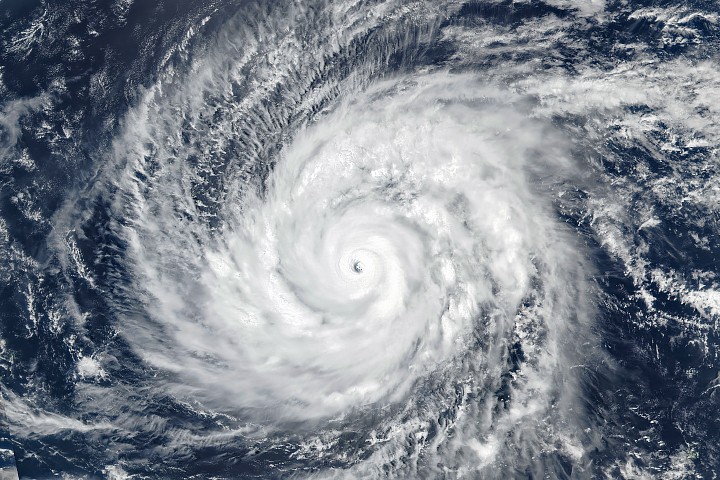
Super Typhoon Sinlaku Strikes the Mariana Islands
In mid-April 2026, Super Typhoon Sinlaku made headlines as it approached the Mariana Islands in the North Pacific Ocean. The storm, which reached remarkable intensity for this time of year, recorded sustained winds of approximately 280 kilometers (175 miles) per hour, categorizing it as a violent typhoon and equivalent to a Category 5 storm on the Saffir-Simpson scale.
Unprecedented Strength Early in the Season
Sinlaku’s formation is particularly noteworthy as it is only the second Category 5 tropical cyclone of 2026, following Tropical Cyclone Horacio, which formed earlier in February over the South Indian Ocean. Meteorologists have pointed out that such powerful storms are rare occurrences so early in the year. The Japan Meteorological Agency (JMA) classifies Sinlaku as one of a limited number of Category 5 typhoons that have been documented in the Northwestern Pacific Ocean during this period.
The Visible Infrared Imaging Radiometer Suite (VIIRS), onboard NASA’s Suomi National Polar-orbiting Partnership (NPP) satellite, captured stunning imagery of Sinlaku as it approached the islands at around 03:30 Universal Time on April 13, 2026. The satellite data highlighted not only the storm’s immense size but also its potential for destruction as it bore down on Saipan, Tinian, and Rota.
Impact on the Mariana Islands
As Sinlaku continued its northwest trajectory toward the Marianas on April 14, heavy rain and strong winds began to affect these islands. The National Weather Service issued updates indicating that residents should prepare for severe weather conditions. Forecasts warned that typhoon conditions would persist from April 14 into April 15 before transitioning to tropical storm conditions.
The threat posed by Sinlaku was compounded by its ability to generate gravity waves visible much higher in the atmosphere. These waves were captured by NOAA-20’s VIIRS during nighttime observations and were made visible due to airglow—a phenomenon where certain wavelengths of light emitted by atmospheric particles illuminate these waves.
A Global Context of Storm Activity
While Super Typhoon Sinlaku garnered significant attention, other storms were concurrently developing across various oceans. On April 10, Tropical Cyclone Maila formed and rotated in an unusual direction across the equator. Just two days later, Tropical Cyclone Vaianu crossed New Zealand’s North Island, bringing destructive winds and heavy rainfall to that region. This simultaneous activity underscores a busy cyclone season globally.
The Science Behind Typhoons
Typhoons like Sinlaku are classified as tropical cyclones occurring in the Northwestern Pacific Ocean. Their formation typically requires warm ocean waters and favorable atmospheric conditions. The intensity of a typhoon is measured using scales such as those developed by the JMA or the Saffir-Simpson scale, which categorizes storms based on wind speed and potential damage.
Sinlaku’s rapid intensification raises questions about climate patterns and their influence on storm frequency and strength. As global temperatures rise due to climate change, meteorologists are increasingly concerned about how this might affect future weather events, particularly regarding their timing and intensity.
What This Means
The emergence of Super Typhoon Sinlaku serves as a stark reminder of nature’s unpredictability and power. For residents of affected regions like the Mariana Islands, it highlights the importance of preparedness for severe weather events—especially as climate patterns evolve. Understanding these phenomena can aid communities in better preparing for future storms while also prompting discussions about broader environmental impacts associated with climate change.
For more information, read the original report here.