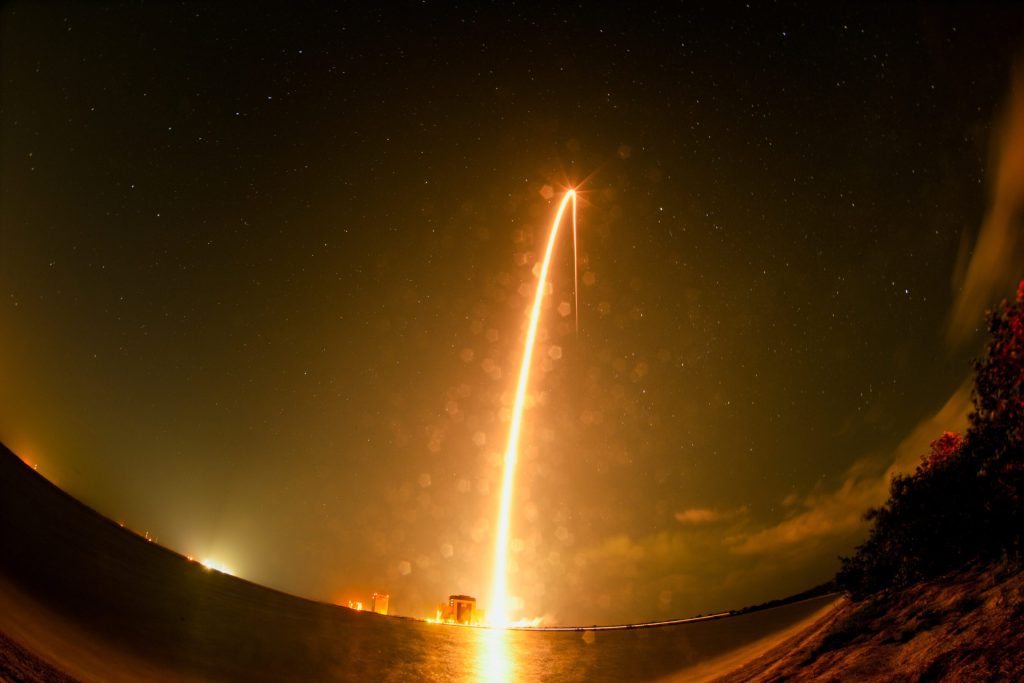
SpaceX Successfully Launches Final GPS 3 Satellite for U.S. Space Force
On October 7, 2023, SpaceX’s Falcon 9 rocket successfully launched the final satellite in the GPS 3 series, designated SV-10, into orbit for the U.S. Space Force. This milestone marks the completion of a significant chapter in satellite navigation technology, enhancing the capabilities of the Global Positioning System (GPS) for military and civilian applications alike.
Completion of the GPS 3 Series
The GPS 3 series is designed to provide enhanced accuracy, improved anti-jamming capabilities, and increased resilience against potential threats. Built by Lockheed Martin, the SV-10 satellite is equipped with advanced technology that allows for better signal integrity and reliability. The successful launch of SV-10 not only signifies the end of this particular series but also underscores the importance of modernizing satellite systems to meet evolving needs.
The Falcon 9 rocket lifted off from Cape Canaveral Space Force Station in Florida at approximately 1:00 PM EDT. Following a flawless ascent, the rocket deployed SV-10 into its intended orbit about an hour after liftoff. This launch represents a culmination of years of development and testing aimed at enhancing global navigation capabilities.
Shift in Launch Dynamics
This launch also highlights a significant shift in launch dynamics within the U.S. military space sector. SpaceX has increasingly become a preferred provider for satellite launches previously assigned to United Launch Alliance (ULA). The company’s competitive pricing and reliable performance have made it an attractive option for government contracts.
SpaceX’s ability to absorb missions from ULA reflects broader trends in commercial spaceflight, where private companies are taking on more responsibilities traditionally held by government contractors. This transition is reshaping how satellite launches are conducted and may lead to more efficient use of resources within the military space program.
Implications for Future Satellite Navigation
The deployment of SV-10 comes at a crucial time as global reliance on GPS technology continues to grow. With applications ranging from navigation in civilian vehicles to precision targeting in military operations, advancements in satellite technology are essential for maintaining operational superiority.
The new satellites offer enhanced features that improve user experience across various sectors. For instance, they provide better accuracy for positioning services that are critical for autonomous vehicles and other technologies relying on precise location data. Additionally, the improved anti-jamming capabilities are vital for military applications where signal integrity can mean the difference between mission success and failure.
Looking Ahead
As SpaceX completes its obligations under the GPS 3 contract, attention will likely shift toward future satellite systems and their integration with existing infrastructure. The U.S. Space Force has already begun exploring next-generation satellites that promise even greater advancements in navigation technology.
Moreover, this successful launch reinforces SpaceX’s reputation as a leader in both commercial and government space operations. As competition grows among private aerospace companies, innovations are expected to accelerate, potentially leading to new technologies that could redefine how satellite navigation is utilized across various industries.
What This Means
The successful launch of SV-10 not only concludes the GPS 3 series but also sets a precedent for future collaborations between private aerospace companies and government entities. As reliance on advanced navigation systems increases globally, investments in satellite technology will be critical for both national security and commercial applications. The shift towards private sector involvement could lead to more innovative solutions that enhance global positioning services while ensuring robust security measures are maintained.
For more information, read the original report here.