
























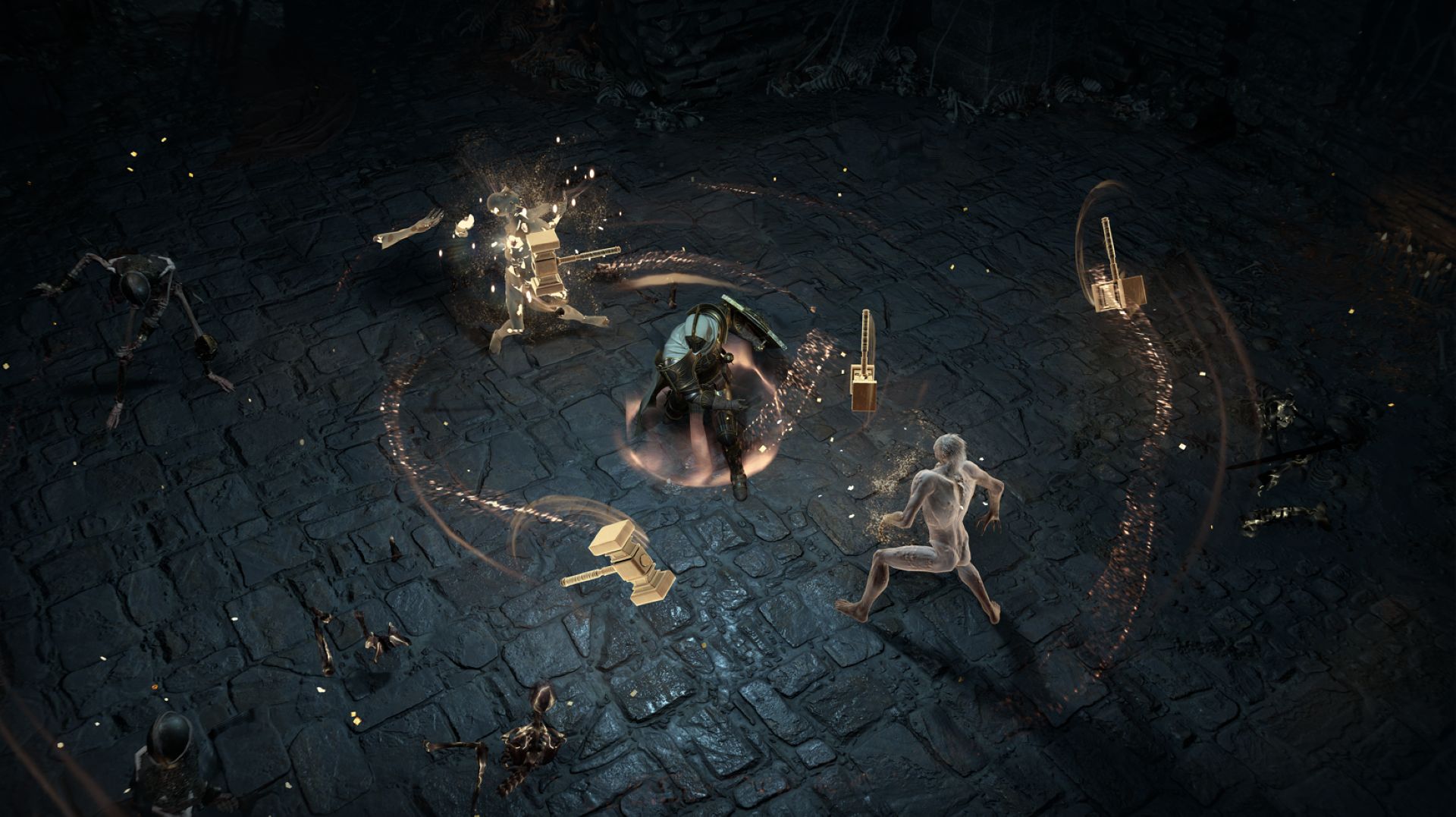
Diablo IV’s Skill Tree Rework: A New Era of Customization
Blizzard Entertainment is set to enhance player experience in Diablo IV with a significant overhaul of its Skill Tree system, launching on April 28. This reworked system introduces deeper branching choices, allowing players to customize their builds and playstyles more than ever before. The changes aim to provide both new and veteran players with a more engaging and user-friendly experience.
A Shift from Simplicity to Complexity
The original Skill Tree in Diablo IV offered a straightforward approach: select a skill, choose an upgrade, and gain incremental strength. While functional, this system often felt repetitive for seasoned players. With the upcoming expansion, Lord of Hatred, Blizzard has recognized the need for evolution. The revamped Skill Tree transforms the previous “skill twig” into a complex network of choices that encourages experimentation and personal expression in gameplay.
In stark contrast to the old model, which featured linear paths with limited options, the new Skill Tree presents an expansive array of nodes and branching paths. Each skill now boasts multiple upgrade possibilities that build upon one another, transforming gameplay dynamics significantly. Players will no longer follow a simple trunk with predictable forks; instead, they will navigate a rich canopy of options tailored to their preferences.
Enhanced Skills: More Than Just Numbers
The reworked Skill Tree does not merely enhance the power of skills; it fundamentally alters their nature. For instance, consider the Barbarian’s Rend ability. Previously, Rend was a reliable close-range attack that inflicted bleed damage—a solid choice but limited in versatility.
Under the new system, Rend can evolve in various directions depending on the chosen nodes. Players can opt for upgrades that enable Rend to deal Fire damage or create shockwaves that affect multiple enemies from a distance. This transformation allows players to create unique builds that reflect their individual playstyles rather than conforming to predetermined archetypes.
The design philosophy behind these changes is clear: upgrades should feel impactful and immediately noticeable. When players invest in a node and utilize the skill, they should witness tangible differences in gameplay—both visually and mechanically. This approach applies across all classes in Diablo IV, ensuring every character benefits from these new branching options.
An Accessible Experience for All Players
The redesigned Skill Tree is not just for veterans; it also caters to newcomers entering the world of Diablo IV. The interface is designed to be intuitive, allowing players to click on nodes and experiment with different combinations easily. This accessibility encourages exploration without overwhelming those who are less familiar with complex RPG mechanics.
For seasoned adventurers, however, this overhaul opens up new avenues for theorycrafting—analyzing game mechanics to optimize character builds. Players can revisit their favorite characters or experiment with the newly introduced Warlock class in the Lord of Hatred expansion. The combination of expanded options and increased customization promises a richer gameplay experience.
What This Means for Players
The upcoming changes to Diablo IV’s Skill Tree represent a significant advancement in player choice and engagement within the game. By moving away from rigid paths toward a more fluid system of options, Blizzard is fostering an environment where creativity thrives. Players will have the opportunity to craft unique builds that reflect their personal preferences while also enhancing replayability.
This rework not only revitalizes existing gameplay but also sets the stage for future expansions and updates within Diablo IV’s ecosystem. As players delve into these new mechanics starting April 28, they can expect a more personalized adventure filled with diverse combat strategies and playstyles.
For more information, read the original report here.