IBM Vault Introduces SCIM Support for Enhanced Identity Management
IBM has announced the beta release of SCIM (System for Cross-domain Identity Management) support for its Vault Enterprise and HCP Vault Dedicated platforms. This new feature aims to streamline identity lifecycle management by providing a standardized approach to user and group provisioning, aligning with existing identity providers and governance systems. The introduction of SCIM comes at a time when enterprises are increasingly focusing on identity-centric security as a core component of their platform strategies.
The Importance of SCIM in Identity Management
As organizations grow, the complexity of managing identities and access across various systems increases significantly. SCIM addresses this challenge by offering an interoperable method for managing user identities throughout their lifecycle, which includes onboarding (joiner), role changes (mover), and offboarding (leaver). This standardization is crucial for reducing fragmentation, minimizing configuration drift, and enhancing governance over identity lifecycles.
In environments where access to sensitive information must be tightly controlled, SCIM integration into Vault allows organizations to extend their identity-first security model effectively. By doing so, businesses can improve compliance while mitigating risks associated with outdated or orphaned access permissions. The ability to automate these workflows not only enhances security but also drives operational efficiency.
SCIM Support: Features and Capabilities
The beta version of SCIM support in IBM Vault provides teams with a more consistent mechanism for provisioning identities into the system. This feature simplifies the connection between identity lifecycle workflows and Vault entities, thereby reducing the manual effort required for provisioning tasks. Currently, the public beta supports integration with popular SCIM clients such as SailPoint and Okta, with plans to expand compatibility in future updates.
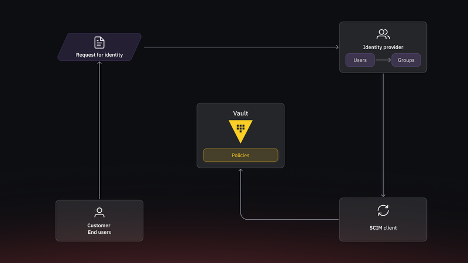
Vault exposes SCIM functionalities through its identity secrets engine. In this setup, SCIM users are mapped to Vault entities, while groups correspond to internal identity groups. Each SCIM client can only manage the users and groups it creates, ensuring that external provisioning systems maintain a clear trust boundary.
Operational Scalability Through Secure Provisioning
The architecture of the new SCIM implementation in Vault is designed for secure and scoped provisioning. Each SCIM client represents an external provisioning system configured with specific attributes such as client name and access grant principal. The authentication model aligns with Vault’s identity primitives, allowing clients to authenticate through supported methods while maintaining strict control over resource management.
This structured approach enhances scalability by enabling organizations to manage permissions effectively via group memberships without compromising on security. As users transition through various roles within an organization, Vault ensures that access is dynamically adjusted based on current group memberships, significantly reducing the risk of excessive privileges or outdated access rights.
What’s Included in the SCIM Beta Release
The current beta release of SCIM for IBM Vault includes several key features aimed at enhancing user management:
- User creation, reading, listing, updating (replace/patch), and deletion capabilities.
- Group creation, reading, listing, updating (replace/patch), and deletion capabilities.
- Discovery endpoints for schemas, resource types, and service provider configurations.
Responses from Vault are returned in application/scim+json format, facilitating easier integration with standards-based SCIM clients. Organizations using Vault version 2.0.1 or later can enable this functionality via the user interface or through API/CLI commands as detailed in IBM’s developer documentation.
A Path Forward: Getting Started with SCIM
The introduction of SCIM support in IBM Vault offers platform security teams a standardized method for managing user identities without relying on cumbersome manual processes or custom integrations. Organizations looking to simplify their identity provisioning workflows should consider evaluating this feature during its beta phase.
To get started with SCIM for Vault, teams should establish a dedicated SCIM client and assess how their existing provisioning platforms handle supported operations within Vault. Planning token lifecycle management and authentication mount choices early on will further enhance operational efficiency.
What This Means for Organizations
The addition of SCIM support in IBM Vault signifies a significant step toward more efficient identity management practices within enterprises. By providing a standardized protocol for provisioning users and groups into Vault, organizations can reduce operational overhead while improving security posture. As businesses increasingly adopt identity-centric strategies, features like these will become essential tools in managing complex identity ecosystems effectively.
For more information, read the original report here.