
























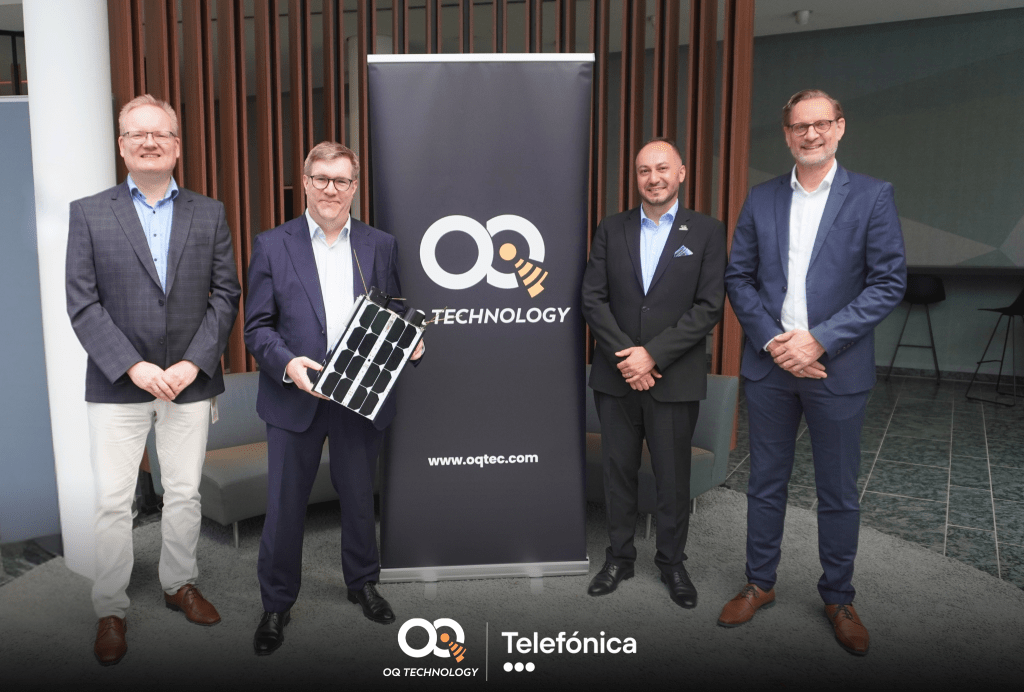
OQ Technology to Test Direct-to-Smartphone Satellite Connectivity in Germany
OQ Technology, a satellite communications company based in Luxembourg, is set to conduct a groundbreaking test of direct-to-smartphone satellite connectivity in Germany next year. This initiative will utilize local telecommunications spectrum, positioning OQ Technology as a potential competitor to existing U.S.-led services in the growing market for satellite connectivity.
Details of the Test
The planned demonstration aims to showcase how satellite technology can directly connect smartphones without the need for intermediary devices or infrastructure. By leveraging cellular spectrum from a local telecom provider, OQ Technology intends to provide seamless connectivity that could enhance mobile communication in areas with limited or no cellular coverage.
This test comes at a time when the demand for reliable communication solutions is increasing, particularly in remote regions where traditional cellular networks often fall short. The ability to connect smartphones directly to satellites could revolutionize how users access mobile services, especially during emergencies or natural disasters when terrestrial networks may be compromised.
Market Context and Competition
The direct-to-smartphone satellite market is rapidly evolving, with several companies vying for dominance. Notably, U.S.-based firms such as SpaceX’s Starlink and AST SpaceMobile are already making strides in this field. These companies have garnered significant attention due to their ambitious plans and substantial investments aimed at providing global broadband coverage via satellite technology.
OQ Technology’s entry into this competitive landscape highlights the growing interest from international players seeking to capitalize on the demand for satellite-based connectivity solutions. By focusing on direct smartphone access, OQ Technology aims to differentiate itself from competitors who primarily target fixed installations or specialized devices.
Technical Aspects of Direct-to-Smartphone Connectivity
The technology behind direct-to-smartphone satellite connectivity involves sophisticated satellite systems capable of transmitting signals directly to consumer devices. This requires advanced modulation techniques and frequency management to ensure that signals can penetrate various obstacles, such as buildings and foliage.
OQ Technology’s approach will utilize existing cellular frequencies, which could simplify the regulatory process and enhance compatibility with current mobile devices. This strategy may also reduce costs associated with deploying entirely new frequency bands specifically for satellite communications.
Implications for Users and Industry
If successful, OQ Technology’s demonstration could set a precedent for future developments in mobile connectivity. Users in rural and underserved areas may benefit significantly from improved access to communication services, enabling them to stay connected regardless of their geographic location.
Moreover, this advancement could encourage further investment in satellite technology by telecommunications companies looking to expand their service offerings. As competition intensifies among providers, consumers may see enhanced services and lower prices as companies strive to capture market share.
What This Means
The testing of direct-to-smartphone satellite connectivity by OQ Technology represents a significant step forward in bridging the digital divide. As more players enter this space, it could lead to increased innovation and improved access for users worldwide. For consumers, this development promises greater reliability and flexibility in mobile communications, particularly in remote areas where traditional networks are inadequate.
For more information, read the original report here.