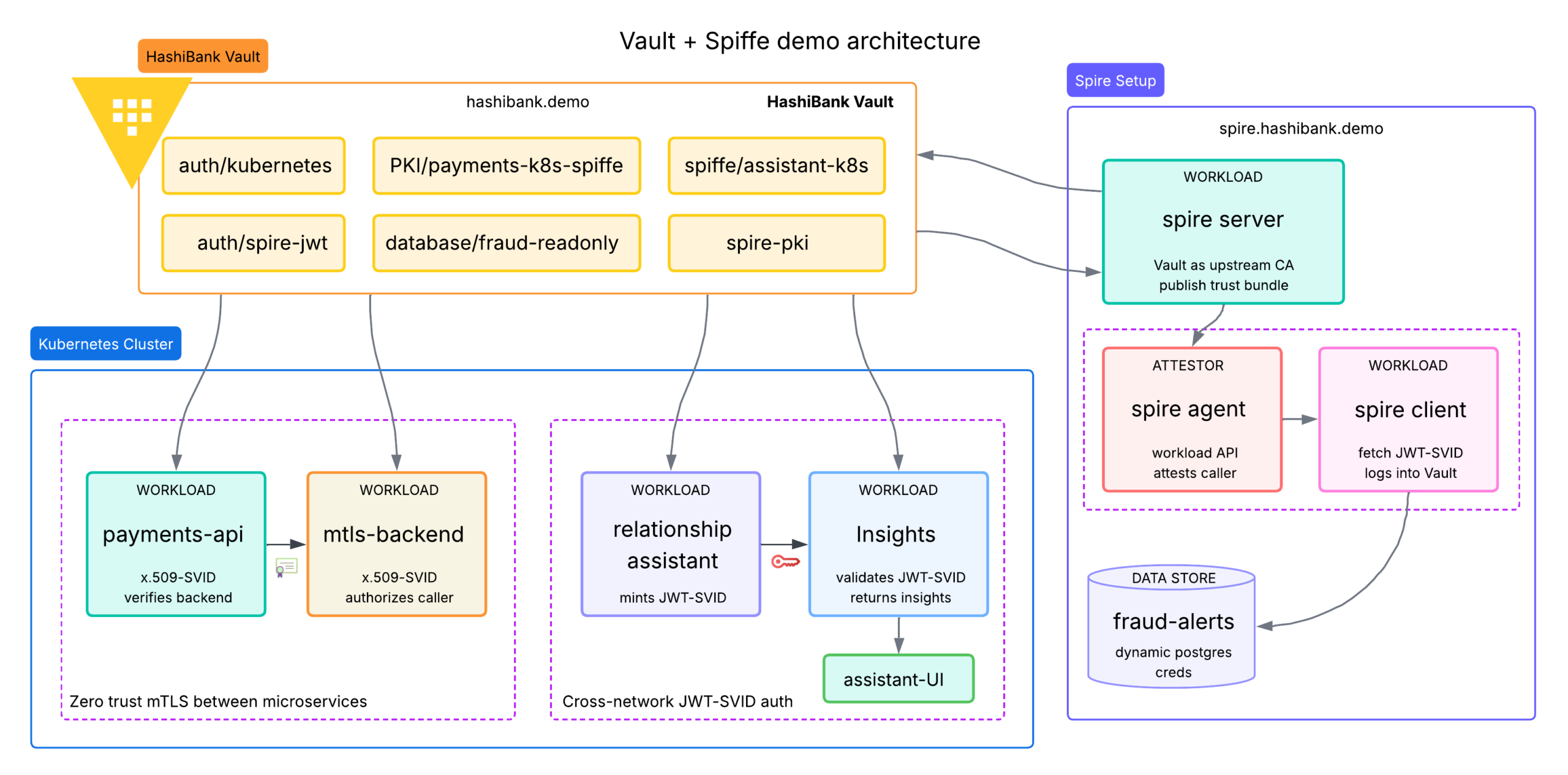
HashiCorp Vault Enhances Workload Identity Management with SPIFFE Integration
HashiCorp has recently addressed the complexities of machine identity management in modern workloads by enhancing its Vault product with support for the open-source SPIFFE (Secure Production Identity Framework for Everyone) standard. This integration aims to unify identity across diverse environments, including cloud services and containerized applications. The conversation surrounding this development highlights the need for a practical approach to secure workloads and machine identities, especially as organizations grapple with fragmented authorization processes.
The Challenge of Workload Identity
Organizations are increasingly facing architecture fatigue due to the growing complexity of their IT environments. Many teams have expressed a desire for a standardized way to name and verify workloads while ensuring that these identities translate into effective access control mechanisms. A recent discussion revealed that while many organizations recognize the importance of workload identity, they often overlook the challenges that arise once a workload is authenticated.
Simply proving a workload’s identity is insufficient; organizations must also establish a consistent method for granting access to resources based on that identity. The fragmentation of authorization logic across various services, databases, and APIs complicates this process, leading to operational inconsistencies and potential security vulnerabilities.
Understanding SPIFFE
SPIFFE provides a platform-agnostic framework for representing machine identities through structured identifiers known as SPIFFE IDs. These IDs uniquely identify workloads regardless of their deployment environment—be it Kubernetes, virtual machines, or legacy systems. A typical SPIFFE ID follows a standardized URI format: spiffe://trust-domain/workload-path.
The SPIFFE framework consists of four core components:
SPIFFE ID: The structured identifier for each workload.
SVID (SPIFFE Verifiable Identity Document): A cryptographic proof of identity delivered as an X.509 certificate or JWT (JSON Web Token).
Trust bundle: A collection of public keys enabling external systems to verify identities from the trust domain.
Workload API: An interface that applications use to retrieve fresh, automatically rotated SVIDs.
This framework allows organizations to maintain a consistent identity model across diverse infrastructures but does not dictate how these identities should be issued or translated into actionable access control policies.
The Role of SPIRE in Workload Identity
SPIRE (SPIFFE Runtime Environment) serves as the operational component that implements the SPIFFE standard in real-time. It provides essential functions such as node attestation, workload attestation, SVID issuance and rotation, and trust-bundle distribution. While SPIRE excels in environments where rigorous verification is necessary before issuing identities, it also introduces significant infrastructure overhead.
This raises an important question: Should organizations prioritize deep attestation through SPIRE or focus on establishing a practical authorization control plane? For many teams, immediate needs may center around using existing trusted identities to drive consistent access controls rather than implementing comprehensive attestation processes.
The Distinction Between Identity and Authorization
A common misconception among teams is that obtaining an SVID resolves all identity-related issues. However, while an SVID confirms a workload’s identity—such as identifying it as payments-api—it does not inherently authorize what actions that API can perform within the system. This gap necessitates a centralized mechanism to manage authorization effectively.
Without such a mechanism, organizations often find themselves enforcing access controls across multiple layers:
Application-specific RBAC (Role-Based Access Control) logic.
Service mesh or network policies.
Cloud IAM (Identity and Access Management) mappings.
Database roles and grants.
Custom brokers or manual policy engines.
This fragmentation can lead to operational inconsistencies and complicate auditing efforts. To address this issue effectively, organizations must maintain clear distinctions between three architectural layers: identity verification (who the workload is), authorization (what the workload can do), and credential brokering (how short-lived access artifacts are delivered).
The Integration of Vault with SPIFFE
This is where HashiCorp Vault comes into play with its SPIFFE auth method and secrets engine. Vault acts as a control plane capable of generating trusted identities while mapping them to policies, secrets, certificates, and short-lived credentials. Its capabilities include:
Authenticating identities: Validating incoming SPIFFE JWTs and X.509 identities through its auth method.
Minting JWT-SVIDs: Generating compliant JWT-SVIDs via its secrets engine.
SPIFFE-aware PKI: Issuing PKI certificates containing SPIFFE URI SANs (Subject Alternative Names).
OIDC federation: Providing standard OIDC discovery endpoints for external services to validate Vault-minted JWTs.
SPIRE upstream authority: Acting as an upstream authority for SPIRE via its PKI secrets engine.
The Practical Implications for Organizations
The integration of Vault with the SPIFFE standard offers organizations a streamlined approach to managing workload identities effectively. By leveraging these technologies together, teams can establish portable workload identity formats while ensuring consistent authorization processes across hybrid environments. This separation of duties creates clarity in managing identities and access controls without overwhelming infrastructure requirements.
What This Means for Workload Identity Strategy
The need for robust workload identity strategies has never been more critical in today’s complex IT landscape. Organizations must focus on two core capabilities: adopting portable workload identity formats through SPIFFE and implementing consistent authorization mechanisms via Vault. While SPIRE remains essential for scenarios requiring stringent attestation processes, combining these tools enables organizations to create cohesive strategies that enhance security without sacrificing operational efficiency.
Next Steps for Implementation
For more information, read the original report here.