
















If you’re searching for a reliable android 16 bluetooth disconnect fix, you’re not alone — thousands of Pixel, Samsung, and OnePlus users have reported the same frustrating behavior since the mid-2026 update rollout. Headphones drop mid-song, smartwatches lose connection during workouts, and car head units refuse to stay paired for more than a few minutes. The good news is that most of these issues stem from a handful of predictable software conflicts that can be fixed at home. In this guide, we’ll walk through nine tested solutions, explain what’s actually causing the android 16 bluetooth issues, and show you how to prevent them from returning.
What’s Really Causing the Android 16 Bluetooth Auto-Disconnect Bug?
The pixel bluetooth bug 2026 gained mainstream attention shortly after Google’s July security patch, when users noticed a spike in random disconnections across LE Audio devices. Investigations from developer forums point to a conflict between the new Bluetooth LE Audio stack and legacy Classic Bluetooth profiles, particularly HFP (Hands-Free Profile) and A2DP (Advanced Audio Distribution Profile).
When a device rapidly negotiates between codecs — for example, switching from LC3 to SBC — the Android 16 stack sometimes fails to renegotiate the connection cleanly, resulting in a hard drop. Some devices also suffer from a memory leak in the Bluetooth system service, which forces a silent restart after several hours of uptime.
This bug isn’t limited to Pixel phones. Reports from Samsung Galaxy S24 and S25 owners, Nothing Phone 3 users, and even the newer Motorola Edge lineup confirm that bluetooth keeps disconnecting android across nearly every OEM running the stock Android 16 base. Fortunately, the fixes below work regardless of manufacturer.
Signs You’re Affected by the Bug
- Wireless earbuds disconnect randomly every 10–30 minutes
- Car Bluetooth pairs but drops audio within seconds
- Smartwatches (Pixel Watch, Galaxy Watch) show “connected” but sync fails
- Bluetooth toggle greys out temporarily and re-enables itself
- Audio latency spikes or stutters even on high-end codecs like aptX Adaptive
Solution 1: Clear the Bluetooth Cache and Storage
Clearing the Bluetooth app’s cache is the single most effective fix for the majority of users. Corrupted pairing records and stale codec data are often the root cause of the auto-disconnect loop.
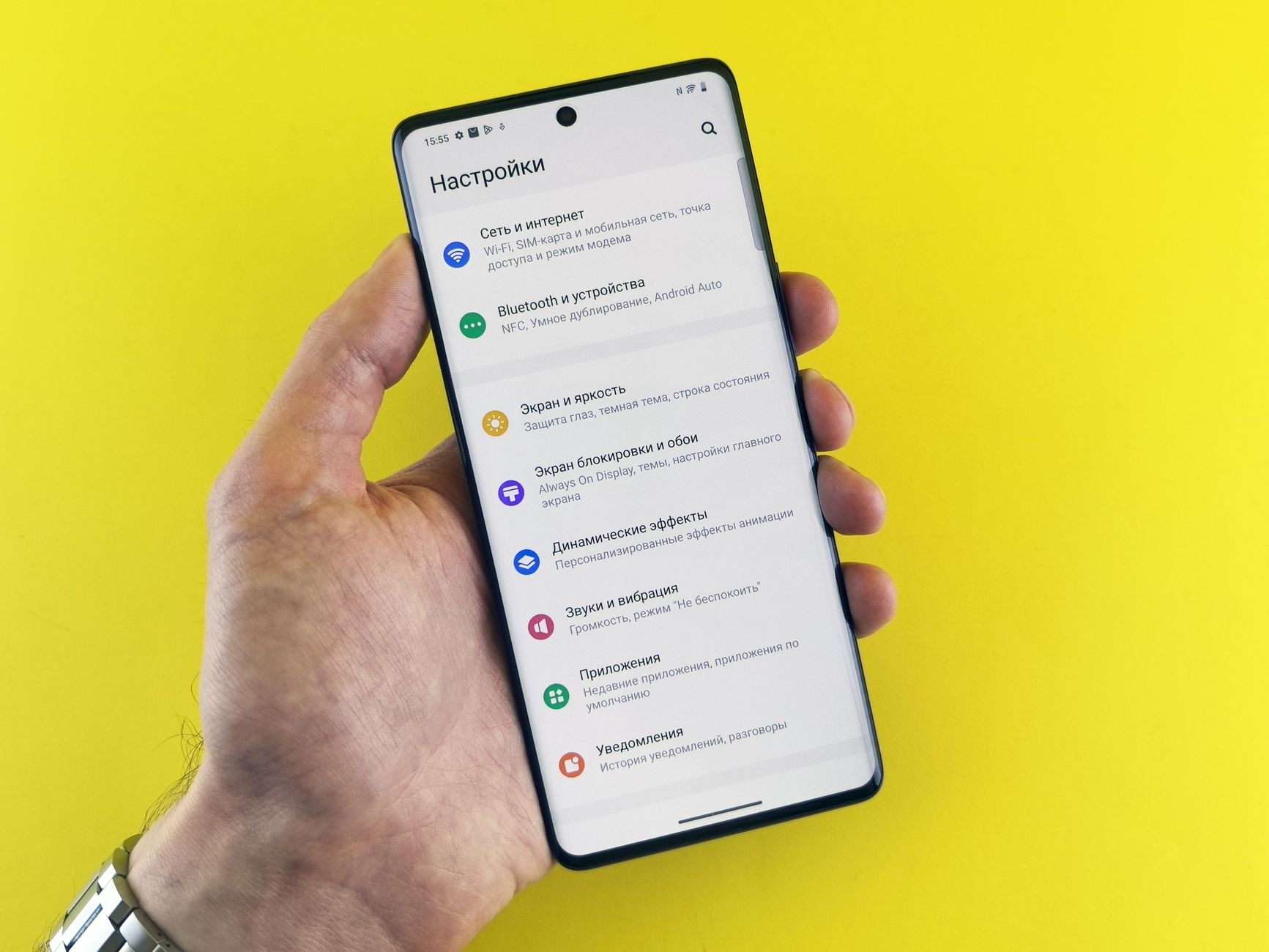
- Open Settings and tap Apps.
- Tap the three-dot menu and select Show system apps.
- Scroll to Bluetooth and tap it.
- Go to Storage & cache.
- Tap Clear cache, then Clear storage.
- Restart your phone and re-pair your device.
Pro Tip: After clearing storage, all previously paired devices will be forgotten. Have your headphones or car in pairing mode before restarting so you can reconnect immediately.
Solution 2: Reset Network and Connectivity Settings
Android 16 bundles Bluetooth, Wi-Fi, and mobile network configurations into a single reset option. Because the 2.4 GHz radio is shared between Wi-Fi and Bluetooth, a corrupted network profile can indirectly cause Bluetooth drops.
- Navigate to Settings > System > Reset options.
- Tap Reset Wi-Fi, mobile & Bluetooth.
- Confirm with your PIN or biometric.
- Restart the device and pair your accessories fresh.
This step also resets VPN configurations and saved Wi-Fi passwords, so make sure you have them handy before proceeding.
Solution 3: Disable Bluetooth LE Audio (If You Don’t Need It)
LE Audio is one of Android 16’s headline features, but it’s also the primary source of the disconnect bug. If your headphones don’t specifically support LC3 or Auracast, turning LE Audio off can dramatically improve stability.
- Enable Developer options by tapping Build number seven times under Settings > About phone.
- Go to Settings > System > Developer options.
- Scroll to the Bluetooth section.
- Toggle Bluetooth LE Audio off.
- Toggle Enable Gabeldorsche off as well if enabled.
- Reboot your phone.
Warning: Disabling LE Audio means you’ll lose access to Auracast broadcasts and lower-latency LC3 streaming. Re-enable it once Google issues a permanent patch.
How to Verify LE Audio Is Actually Off
After rebooting, connect your headphones and tap the gear icon next to their name in Bluetooth settings. If the option “Use LE Audio” is greyed out or absent, the toggle worked correctly.
Solution 4: Change the Bluetooth Audio Codec
Codec mismatches are a leading cause of fix bluetooth audio drops android searches. Android 16 tends to default to the highest-quality codec available, which isn’t always the most stable on your specific hardware.
- Open Developer options.
- Connect your Bluetooth device first, then scroll to Bluetooth Audio Codec.
- Try switching from aptX Adaptive or LDAC to AAC or SBC.
- Test playback for 15–20 minutes to see if drops persist.
SBC is universally supported and rarely causes handshake issues. If stability returns on SBC, you’ve confirmed the problem lies in codec negotiation. For a broader look at diagnosing quirky device behavior, our guide on troubleshooting hidden device issues applies many of the same investigative principles across ecosystems.
Solution 5: Update or Roll Back the Latest System Patch
Google has acknowledged the bug and pushed partial fixes in the June and July 2026 security patches. If you haven’t updated recently, do so immediately.
- Go to Settings > System > Software update.
- Tap Check for updates.
- Install any available patches and reboot.
If the disconnects started after a recent update, you may need to sideload the previous factory image. This is an advanced process — back up your data first, and only proceed if you’re comfortable using ADB and Fastboot tools.
Solution 6: Forget and Re-Pair the Problematic Device
A stale pairing record often carries corrupted authentication keys. Forgetting and re-adding the device rebuilds the trust handshake from scratch.
- Open Settings > Connected devices.
- Tap the gear icon next to the misbehaving device.
- Select Forget.
- Put the accessory in pairing mode.
- Tap Pair new device and follow the prompts.
For accessories with their own firmware (like Sony, Bose, or Sennheiser earbuds), also check the manufacturer’s companion app for firmware updates before re-pairing.
Solution 7: Disable Battery Optimization for Bluetooth Services
Android 16’s aggressive battery management sometimes suspends background Bluetooth processes, causing the connection to time out. This is especially common with fitness trackers and always-connected wearables.
- Go to Settings > Apps > See all apps.
- Enable Show system apps from the menu.
- Find Bluetooth and tap it.
- Tap App battery usage.
- Select Unrestricted.
- Repeat for the companion app of your Bluetooth device (e.g., Wear OS, Galaxy Wearable).
Key Takeaway: Battery optimization is one of the most overlooked culprits behind persistent Bluetooth drops on modern Android builds. If you deal with cross-platform connectivity headaches often, you may also find our write-up on resolving Google Copybara sync errors on macOS useful for understanding how background service throttling behaves in similar ways.
Solution 8: Fix Bluetooth Pairing Problems With a Safe Mode Test
Third-party apps — especially those requesting Bluetooth or location permissions — can silently interfere with the stack. Booting into Safe Mode disables all third-party apps and lets you test whether one is causing the android 16 pairing problems.
- Press and hold the power button.
- Long-press the Power off option until you see Reboot to safe mode.
- Tap OK and wait for the phone to restart.
- Test your Bluetooth device for 30 minutes.
- If it stays connected, a third-party app is the culprit. Reboot normally and uninstall recently added apps one by one.
Common Apps Known to Cause Conflicts
- Custom equalizer apps (Wavelet, Poweramp EQ)
- Bluetooth automation tools like Tasker plugins
- Older versions of manufacturer companion apps
- Battery-saver or “cleaner” utilities
Solution 9: Perform a Factory Reset as a Last Resort
If none of the above solutions work, a factory reset will eliminate any deep-seated software corruption. Back up your data to Google One or a local drive first.
- Go to Settings > System > Reset options.
- Tap Erase all data (factory reset).
- Confirm and wait for the phone to reboot.
- During setup, do not restore your old backup immediately. Test Bluetooth on a clean install first.
- If Bluetooth works, restore apps selectively to identify any that reintroduce the bug.
Skipping the backup restore step is critical — restoring a corrupted Bluetooth profile from the cloud will bring the problem right back. For more Android security and stability best practices, our coverage of Android malware warnings across ecosystems is worth reading alongside this guide.
Bonus: Environmental Fixes That Actually Help
Sometimes the software isn’t to blame. Bluetooth 5.3 and LE Audio operate on the crowded 2.4 GHz band, and interference from other devices can mimic bug behavior.
- Move away from microwave ovens, USB 3.0 hubs, and Wi-Fi routers when testing
- Switch your Wi-Fi network to the 5 GHz or 6 GHz band
- Keep your phone and Bluetooth device within 10 meters and in line of sight
- Avoid placing the phone in a metal-lined pocket or bag
- Update firmware on your headphones, car head unit, and smartwatch
Frequently Asked Questions
Why does Bluetooth keep disconnecting on Android 16?
The primary cause is a conflict between the LE Audio stack and legacy Bluetooth profiles introduced in Android 16. Corrupted pairing records, aggressive battery optimization, and third-party app interference are secondary causes. Applying the codec change and cache-clearing fixes above resolves the issue for most users.
How do I reset Bluetooth settings on Android 16?
Go to Settings > System > Reset options > Reset Wi-Fi, mobile & Bluetooth. This wipes all Bluetooth pairings and network settings without deleting your personal data or apps. Restart the phone afterward and re-pair each device from scratch.
Is the Android 16 Bluetooth bug affecting all phones?
The bug is most prominent on Pixel 8, Pixel 9, and Pixel 10 devices, but Samsung Galaxy S24/S25, Nothing Phone 3, and Motorola Edge 2026 users have also reported it. Any device running the stock Android 16 base with LE Audio support is potentially affected, though severity varies by OEM.
Will clearing Bluetooth cache fix disconnects?
Yes, in roughly 60–70% of reported cases. Clearing the Bluetooth cache and storage removes corrupted pairing data and forces the system to rebuild connections cleanly. It’s the fastest, safest fix to try first before moving on to more advanced steps like disabling LE Audio or performing a factory reset.
How to report Bluetooth bugs to Google?
Open the Google app, tap your profile picture, and select Help & feedback > Send feedback. Include a detailed description, your device model, the Android build number, and — if possible — a bug report generated via Developer options > Take bug report. Google’s Pixel team actively monitors feedback submitted this way.
Conclusion
The android 16 bluetooth disconnect fix process usually comes down to two or three targeted tweaks: clearing the Bluetooth cache, switching audio codecs, and disabling LE Audio if your accessories don’t need it. Combined with a network settings reset and disabled battery optimization, these steps resolve the vast majority of drop-out complaints without a factory reset. Keep an eye on monthly security patches, since Google is actively working on a permanent fix for the LE Audio negotiation bug.
If you found this guide helpful, you’ll likely enjoy our deep dive into Notion Mail as a Gmail alternative in 2026 for a cleaner cross-device workflow, or our practical walkthrough on securing your devices against modern espionage threats. Both pair well with a stable, well-tuned Android setup.