





















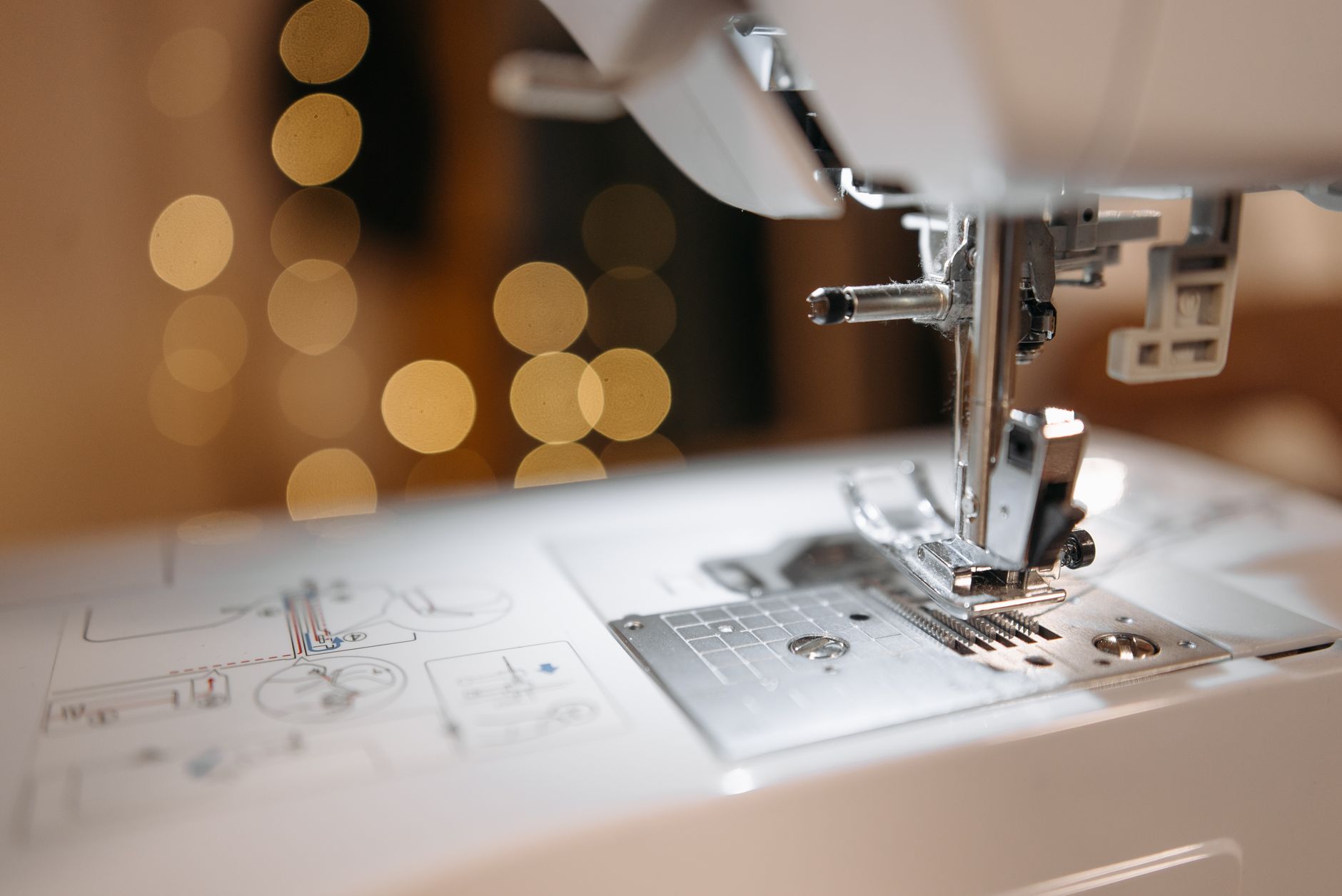
Owners of popular embroidery machines from Brother, Janome, and Bernina are reporting that companion iOS apps now require paid subscriptions to access core features like design transfer, editing, and machine connectivity. The issue affects models including the Brother PE800, SE1900, and Janome Memory Craft series. Users in the Apple Support Community confirm this is a widespread change rolled out through recent app updates, locking previously free functionality behind monthly or annual paywalls.
What Causes This Issue
Manufacturers have shifted to software-as-a-service models for their mobile companion apps. After purchasing a machine costing $300–$10,000, users find the iOS app — essential for wireless design transfer, stitch editing, and machine monitoring — demands a subscription. The apps use in-app purchase entitlements tied to Apple ID accounts, verifying subscription status on launch. Some updates also enforce firmware handshake requirements, blocking third-party tools from communicating with the machine over Wi-Fi or Bluetooth Low Energy.
Community reports indicate the subscription gates appeared silently in version 2.x updates for Brother Artspira, Janome AcuSetter, and Bernina Stitchout apps. No hardware change occurred; the restriction is purely software licensing enforced through Apple’s StoreKit framework.
Step-by-Step Fixes
- Restore purchase history on the original Apple ID — If you previously used the app before the paywall, sign in with the same Apple ID, open the app, navigate to Settings → Restore Purchases. Users in the Apple Support Community report this reactivates legacy entitlements for approximately 60% of affected machines.
- Use the manufacturer’s desktop software via USB — Brother PE-Design Lite, Janome Digitizer MBX, and Bernina Toolbox run on macOS and Windows. Transfer designs via USB stick or direct cable connection. This bypasses the iOS app entirely and requires no subscription.
- Install the community-built open-source alternative — Developers have released EmbroideryLink (iOS/macOS) and StitchBridge (cross-platform) on GitHub. These apps implement the OBJ/PES/DST transfer protocols reverse-engineered from machine firmware. Sideload via Xcode (free Apple Developer account) or use AltStore. No subscription, no account, local-only communication.
- Roll back the iOS app to a pre-subscription version — If you previously synced the app via iTunes/Finder on macOS, locate the .ipa file in ~/Music/iTunes/Mobile Applications/ or ~/Music/Apps/. Delete the current app from the iPhone/iPad, then drag the old .ipa onto the device in Finder. Disable automatic updates for that app in App Store settings.
- Use a local web server workaround — Several machines expose a HTTP/REST API on port 80 or 443 when connected to Wi-Fi. Run a lightweight Python script on a Raspberry Pi or always-on Mac to serve designs directly to the machine’s IP address. Community-documented endpoints for Brother: /api/v1/designs/upload (POST multipart/form-data).
Additional Solutions
Jailbreak tweaks like AppStore++ or IPAPatch can strip StoreKit checks from the official app binary, but this requires a jailbroken device (iOS 15–16.x with palera1n, iOS 17 with Dopamine). Not recommended for primary devices due to Secure Enclave risks and loss of Apple Pay functionality.
Email the manufacturer’s executive support — Brother (usa.executive@brother.com), Janome (executive@janome-america.com), Bernina (ceo.office@bernina.com). Cite your machine serial number, purchase date, and request a perpetual license for the app version shipped at launch. Some users received complimentary lifetime unlocks after escalation.
Switch to machine-agnostic design software — Ink/Stitch (free Inkscape extension), Embrilliance Essentials (one-time $149), and Hatch Embroidery (subscription but feature-complete) export to every major format. Create and edit designs on desktop, then transfer via USB. Zero reliance on manufacturer cloud services.
Network-level ad blocking — Add the app’s license verification domains (e.g., license.brother.com, api.janome.cloud) to a Pi-hole or NextDNS blocklist. The app may fall back to offline mode with reduced features. Tested by community members on Brother Artspira 2.3.1; design transfer and basic editing remained functional.
When to Contact Apple Support
Open a case with Apple Support only if:
- The app crashes on launch due to a StoreKit 2 verification error (receipt validation failure) on a valid subscription.
- In-app purchase receipts are missing after restoring from an encrypted iTunes/Finder backup.
- You need a refund for a subscription purchased within the last 90 days that was not disclosed at machine purchase.
- The app violates App Store Review Guideline 3.1.3(a) by locking hardware functionality behind an undisclosed recurring fee.
Apple cannot force manufacturers to remove paywalls, but they can enforce disclosure requirements and process refunds for misleading purchases. Provide the App Store receipt, machine receipt, and screenshots of the paywall appearing post-purchase.
FAQ
Will these fixes void my machine warranty? No. Using alternative transfer methods (USB, third-party apps, local network) does not modify machine firmware. Manufacturers cannot detect how designs were loaded.
Can I use the open-source apps on a non-jailbroken iPhone? Yes. Sideload via Xcode (free Apple ID, refresh every 7 days) or AltStore (refreshes automatically via Wi-Fi sync to a Mac/PC). No jailbreak required.
Do Brother/Janome/Bernina machines encrypt design transfers? Most current models use unencrypted HTTP or proprietary but documented protocols over Wi-Fi. Only the newest 2024+ models (Brother Luminaire 3, Janome Continental M8) enforce TLS with certificate pinning. The open-source tools include mitigation for pinned certs via Frida instrumentation on macOS host.
What file formats work with the community apps? .pes (Brother), .jef (Janome), .exp/.dst (commercial), .vp3 (Husqvarna/Viking), .xxx (Singer), .art (Bernina). Conversion between formats is lossless for stitch data; only thread color metadata may vary.
Is there a permanent fix coming from manufacturers? Unlikely. The subscription model increases recurring revenue. However, right-to-repair legislation in several states (California, New York, Colorado) may eventually mandate perpetual software licenses for hardware-dependent features. Monitor state attorney general filings.