Tropical Storm Arthur Hits the Gulf Coast
Tropical Storm Arthur, the first named storm of the 2026 Atlantic hurricane season, made landfall in mid-June, bringing high winds and heavy rainfall to the U.S. Gulf Coast. The storm was officially designated on June 17, 2026, and while it did not reach hurricane strength, it still posed significant risks to coastal communities.
NASA’s Observations of Tropical Storm Arthur
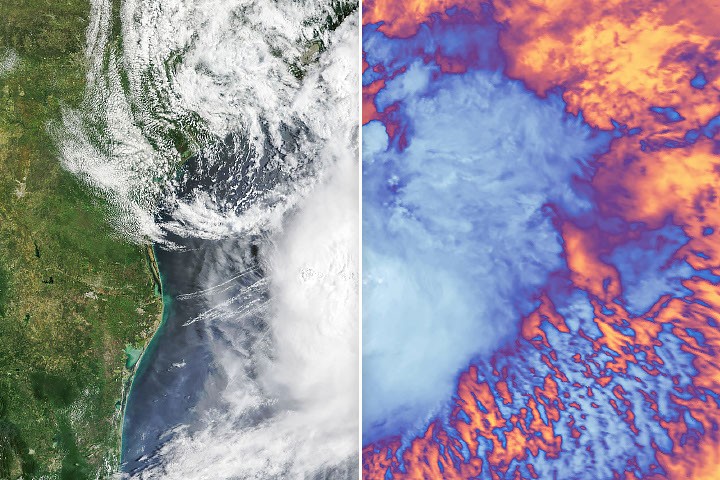
On June 17 at 10:30 a.m. Central Time (15:30 Universal Time), NASA’s Terra satellite captured striking images of Tropical Storm Arthur. The first image showcased a natural-color view of the storm, while the second depicted infrared signals that indicated varying temperatures in cloud tops. These images provided crucial insights into the storm’s structure and intensity as it transitioned from a developing system to a tropical storm.
At the time of these observations, Arthur had maximum sustained winds reaching 40 miles per hour (65 kilometers per hour). The National Hurricane Center (NHC) reported that tropical-storm-force winds extended up to 175 miles (280 kilometers) from its center. In Galveston, Texas, wind gusts were recorded at an impressive 48 miles per hour.
Impact on the Gulf Coast
Despite not achieving hurricane status, Tropical Storm Arthur unleashed powerful winds and heavy rainfall across parts of the Gulf Coast. The National Weather Service issued warnings about potential life-threatening flash flooding due to the storm’s heavy precipitation. Estimates from the Integrated Multi-Satellite Retrievals for GPM (Global Precipitation Measurement) mission indicated that rainfall rates were particularly high over Gulf waters and extending inland on June 17.
As Arthur moved northeast and began to weaken, it continued to deliver moisture-laden air to central Gulf Coast states on June 18. Southeastern Louisiana experienced alarming rainfall rates of up to 3 inches (7.6 centimeters) per hour. Forecasts suggested that total rainfall amounts could exceed 12 inches (30 centimeters) in some areas, with certain locations potentially receiving close to 20 inches (51 centimeters).
The Aftermath and Ongoing Monitoring
As Tropical Storm Arthur dissipated, meteorologists continued monitoring its effects on local weather patterns and conditions across affected regions. Communities braced for potential flooding as rivers swelled from excessive rainfall. Emergency services prepared for rescue operations if necessary, emphasizing the importance of readiness even when a storm does not reach hurricane strength.
The data collected by NASA’s Terra satellite and other monitoring systems will contribute to ongoing research into tropical storms and their impacts on coastal environments. Understanding these storms is critical for improving forecasting models and enhancing preparedness efforts in vulnerable areas.
What This Means
The arrival of Tropical Storm Arthur serves as a reminder of the unpredictable nature of weather systems during hurricane season. While this storm did not escalate into a hurricane, it demonstrated how even tropical storms can pose significant threats through strong winds and heavy rains. Residents along the Gulf Coast must remain vigilant during this time of year, as conditions can change rapidly, necessitating preparedness for severe weather events.
For more information, read the original report here.