NASA Launches Commercial Satellite Data Acquisition Program
NASA’s Earth Science Division (ESD) has initiated the Commercial Satellite Data Acquisition (CSDA) program, aimed at leveraging commercial satellite data to enhance the agency’s Earth science research and applications. This initiative seeks to identify and procure data from commercial satellite providers, potentially offering a more economical alternative to traditional Earth observation methods utilized by NASA and other U.S. government entities.
Objectives of the CSDA Program
The primary goal of the CSDA program is to explore how commercial satellite data can be integrated into existing Earth science frameworks. By assessing various data sources, NASA aims to enhance its observational capabilities and improve the quality of scientific research related to Earth’s systems. The program also intends to foster collaboration between commercial satellite providers and government agencies, thereby creating a more robust ecosystem for Earth observation.
Commercial satellite data can provide unique insights that complement existing NASA datasets. For instance, while NASA satellites gather extensive information on atmospheric conditions, land use, and oceanography, commercial satellites may offer higher resolution imagery or specific data types that fill in gaps left by governmental sources. This synergy is expected to lead to more comprehensive analyses of environmental changes and trends.
Upcoming Vendor Webinar on MDA Space
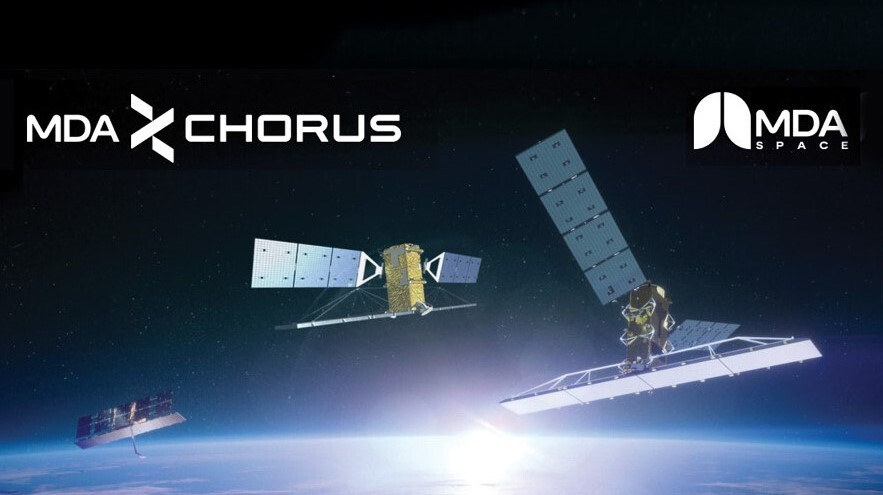
A significant component of the CSDA program will be highlighted in an upcoming vendor webinar featuring MDA Space, a key player in the commercial satellite sector. During this event, representatives from MDA Space will present their satellite constellation and demonstrate how users can access and utilize their C-band synthetic aperture radar (SAR) products.
The webinar will cover essential topics such as:
- An introduction to MDA Space’s satellite capabilities.
- Guidance on discovering and accessing SAR products.
- How MDA’s data complements existing NASA Earth science datasets.
- Available services for users interested in these datasets.
- Support mechanisms for navigating the CSDA program’s offerings.
This session aims to equip participants with the necessary tools and knowledge to effectively leverage commercial satellite data for their research needs. By showcasing practical applications of MDA Space’s products, NASA hopes to encourage broader adoption of commercial datasets within the scientific community.
The Role of Synthetic Aperture Radar Data
Synthetic aperture radar (SAR) technology allows satellites to capture high-resolution images regardless of weather conditions or time of day. This capability is particularly valuable for monitoring changes in land use, detecting natural disasters, and tracking environmental phenomena such as deforestation or urban expansion. The integration of SAR data into NASA’s existing frameworks could significantly enhance real-time monitoring efforts and improve response strategies during environmental crises.
MDA Space’s SAR products are expected to provide detailed insights that can augment traditional remote sensing methodologies employed by NASA. By incorporating these advanced imaging techniques, researchers will have access to more granular data that can inform policy decisions and scientific inquiries alike.
Collaboration Between Government and Commercial Entities
The establishment of the CSDA program underscores a growing trend towards collaboration between government agencies and private companies in the realm of space-based technologies. As commercial entities continue to expand their capabilities in satellite technology, partnerships with organizations like NASA become increasingly beneficial for both parties. These collaborations not only enhance scientific research but also stimulate innovation within the private sector.
The integration of commercial satellite data into governmental research initiatives aligns with broader objectives aimed at improving environmental monitoring and disaster management strategies. By tapping into the resources offered by private companies, NASA can broaden its scope while simultaneously supporting industry growth through increased demand for satellite services.
What This Means for Earth Science Research
The launch of NASA’s CSDA program marks a pivotal moment in Earth science research by opening new avenues for data acquisition through commercial channels. The potential cost savings associated with utilizing commercially available satellite data could lead to more efficient research practices while enhancing observational capabilities across various disciplines related to Earth sciences.
This initiative not only strengthens NASA’s existing datasets but also encourages innovative approaches to understanding complex global challenges such as climate change, natural disasters, and resource management. As partnerships between public agencies and private companies continue to evolve, the future holds promise for enhanced collaboration that could yield significant advancements in our understanding of Earth’s systems.
For more information, read the original report here.