






























Azerbaijan’s Mud Volcanoes: A Geological Marvel Unveiled
Azerbaijan, often referred to as the “Land of Fire,” is gaining renewed attention due to its remarkable geological features, particularly its mud volcanoes. Recent studies reveal that the country is home to at least 220 mud volcanoes, with estimates suggesting the actual number could be as high as 350. This concentration makes Azerbaijan one of the most significant locations for mud volcanoes globally, drawing interest from geologists and environmental scientists alike.
The Significance of Mud Volcanoes
Mud volcanoes are unique geological formations that erupt cold mixtures of mud, water, and gases instead of molten lava. They typically form in sedimentary basins where hydrocarbons (organic compounds made up of hydrogen and carbon) accumulate under high pressure. When conditions are right, these hydrocarbons can escape through cracks in the Earth’s crust, resulting in eruptions that produce a slurry rather than lava.
The Azerbaijani government reports a minimum of 220 mud volcanoes in the region, primarily located near Baku and Qobustan on the Absheron Peninsula. Some researchers argue that this number could be closer to 350, highlighting the area’s geological richness. The presence of these formations indicates significant underground fossil fuel reserves, making them not only fascinating natural phenomena but also potential indicators of valuable resources.
Geological Features and Eruptions
The mud volcanoes in Azerbaijan vary significantly in size and shape. On land, they can reach heights between 20 to 400 meters (70 to 1,300 feet) and diameters ranging from 100 to 4,500 meters. The eruptions can be unpredictable; while many are relatively mild, some have been known to produce violent outbursts that create new landforms almost instantaneously.
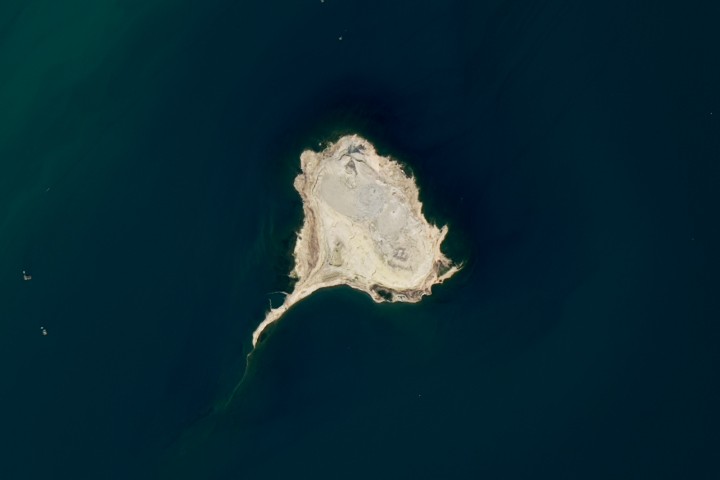
In addition to terrestrial mud volcanoes, Azerbaijan boasts at least 140 underwater mud volcanoes located along its Caspian Sea coast. These underwater formations include several islands within the Baku archipelago. Notably, Xərə Zirə Adası has experienced violent eruptions as recently as 1995 and continues to exhibit weakly active vents today. Similarly, Duvannı Island erupted in 2006 and still shows signs of activity.
Mark Tingay, a geologist from Adelaide University, notes that the unique shapes of these islands—often described as tadpole-shaped—are likely the result of sediment erosion caused by ocean currents. The “tails” formed by these currents suggest dynamic geological processes at play beneath the surface.
Risks Associated with Mud Volcanoes
While mud volcanoes can provide valuable insights into Earth’s geological processes and potential fossil fuel reserves, they also pose risks due to their unpredictable nature. Tingay warns that these structures have the potential for “paroxysmal eruptions,” which are brief but extremely violent events that can result in substantial fireballs or even create new islands within minutes.
One historical eruption from Səngi Muğan Adası serves as a stark reminder of these risks; in 1932, it produced a fireball reaching heights of 150 meters and caused injuries while nearly destroying a lighthouse on the island. Such events underscore the need for ongoing monitoring and research into these fascinating yet hazardous geological features.
The Role of Technology in Monitoring
The study and monitoring of Azerbaijan’s mud volcanoes have been greatly enhanced through satellite imagery and remote sensing technology. NASA’s Earth Observatory has utilized Landsat data to capture detailed images of these unique formations from space. This technology allows scientists to track changes over time and better understand the dynamics involved in mud volcanic activity.
As research continues into Azerbaijan’s geological wonders, scientists hope to gain deeper insights into not only local geology but also broader planetary processes related to sedimentary basins and hydrocarbon formation.
What This Means
The exploration and study of Azerbaijan’s mud volcanoes hold significant implications for both science and industry. Understanding these geological formations can lead to advancements in energy resource management while also providing critical data on natural hazards associated with volcanic activity. As scientists continue their work in this area, they will contribute valuable knowledge that may inform future energy strategies and disaster preparedness efforts globally.
For more information, read the original report here.







