























Lake Naivasha Faces Unprecedented Water Level Increases
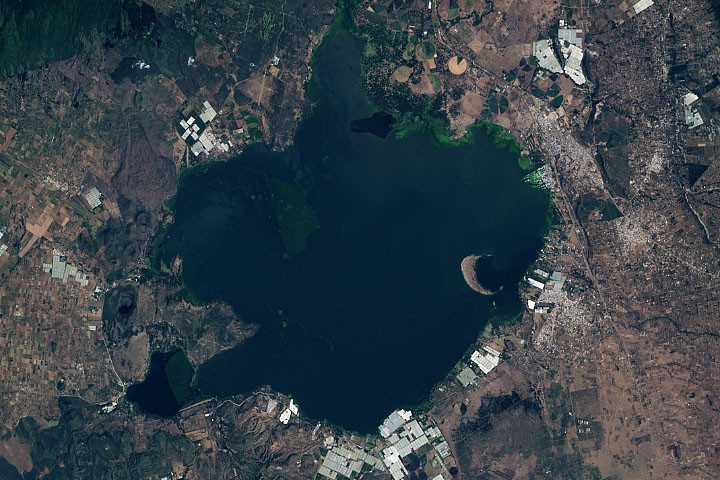
Lake Naivasha in Kenya is undergoing significant ecological changes, with water levels rising dramatically over the past decade. Satellite data reveals that the lake’s depth has increased by approximately 7 meters (23 feet) since 2010, while its surface area has expanded by about 40 percent. This alarming trend poses serious implications for local communities and industries that depend on the lake’s resources.
Historical Context of Lake Naivasha
Historically, Lake Naivasha has been a vital resource for various communities. The Maasai people relied on its waters for cattle during dry seasons before being displaced by British colonizers in the late 19th and early 20th centuries. The arrival of the so-called Happy Valley set in the 1920s marked a period of excess and luxury, which eventually faded with the end of colonial rule. Following this transition, Lake Naivasha became known for wildlife tourism, flower farming, and geothermal energy production.
Today, however, the lake faces a new challenge: fluctuating water levels that threaten both human habitation and local ecosystems. The name “Naivasha” itself derives from a Maasai word meaning “that which heaves,” aptly describing the lake’s current instability.
Impact of Rising Water Levels
The consequences of rising water levels are profound. Homes, flower farms, and essential infrastructure along the lake’s shores have been inundated, displacing thousands of residents. Areas like Kihoto have experienced severe flooding, affecting police stations, churches, hotels, and even sewage systems. Mathew Herrnegger, a hydrologist at BOKU University in Vienna, attributes increased rainfall as the primary driver behind these changes. Between 2010 and 2020, mean annual rainfall in the region rose by about 30 percent compared to previous decades.
The closed basin nature of Lake Naivasha means it is particularly sensitive to changes in water balance; even minor fluctuations can lead to significant alterations in its water levels. Herrnegger’s research indicates that a mere increase of 0.4–2.0 percent in annual rainfall could explain the dramatic rises observed.
Effects on Local Industries
The economic ramifications are equally concerning. The flower industry surrounding Lake Naivasha generates hundreds of millions of dollars annually through exports but is now losing greenhouses and farmland due to flooding. Communities such as Sulmac Village and Karagita have seen greenhouses that were once located far from the shoreline now standing perilously close to encroaching waters.
Moreover, Crescent Island—a former peninsula—has transformed into a game sanctuary due to rising waters. This change has led to increased encounters between humans and wildlife, particularly hippos that inhabit the lake.
Ecological Changes and Future Research Needs
The ecological landscape around Lake Naivasha is also shifting dramatically. The proliferation of aquatic vegetation like water hyacinth has been documented over the past two decades. This invasive plant not only disrupts fishing activities but may also contribute to rising water levels by hindering evaporation processes.
Some researchers have proposed additional factors influencing these changes, such as tectonic shifts affecting groundwater recharge rates into the lake or sediment accumulation reshaping its floor. Jamie Shutler from the University of Exeter emphasizes the need for more research to quantify how much water volume is changing each year and why these shifts are occurring.
What This Means
The ongoing transformations at Lake Naivasha underscore urgent environmental challenges facing local communities dependent on its resources for their livelihoods. As rising waters displace residents and threaten vital industries like flower farming and fishing, it becomes increasingly clear that comprehensive research is necessary to understand these dynamics fully. Addressing these issues will be crucial for developing effective management strategies aimed at mitigating future impacts on both people and ecosystems surrounding this historically significant lake.
For more information, read the original report here.