
























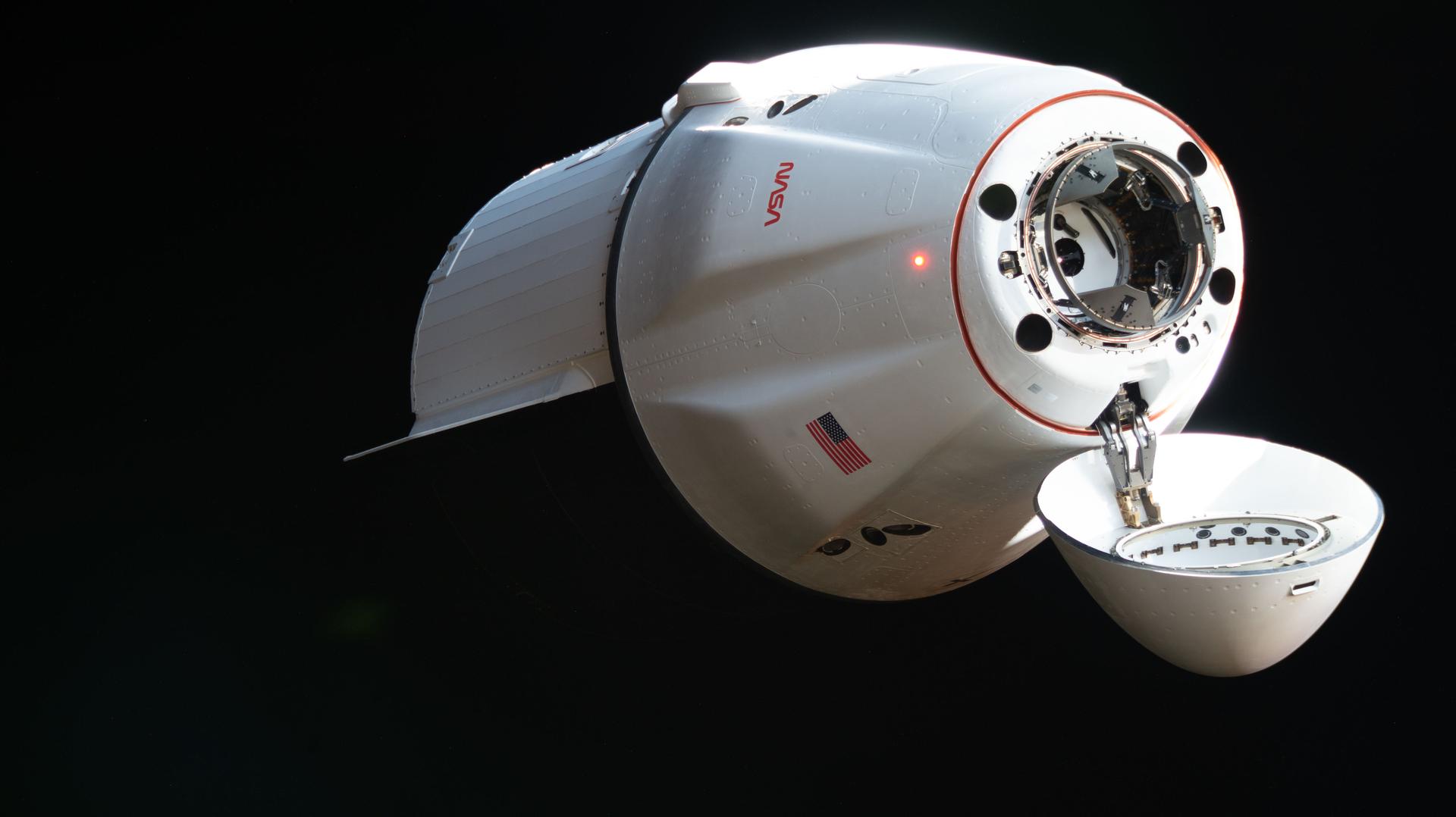
SpaceX Dragon Set to Return with Vital Research Samples
On June 16, 2023, a SpaceX Dragon spacecraft is scheduled to undock from the International Space Station (ISS) and return to Earth, carrying critical scientific research samples and hardware. This mission is part of NASA’s ongoing efforts to advance space exploration and improve life on Earth through innovative research. The spacecraft will splash down off the coast of California on June 17, marking another successful resupply mission in collaboration with SpaceX.
Live Coverage of the Undocking
Nasa will provide live coverage of the Dragon spacecraft’s undocking, which is set to occur at approximately 12:05 p.m. EDT. Viewers can tune in to watch the event on various platforms, including NASA+, Amazon Prime Video, and YouTube. The undocking process involves a command from SpaceX ground controllers, after which the Dragon will fire its thrusters to safely distance itself from the ISS.
Cargo Details and Scientific Contributions
The Dragon spacecraft is expected to return with nearly 6,500 pounds of cargo, including groundbreaking scientific samples that could influence future space missions and medical advancements on Earth. Among the items being returned are:
- Bioprinted organ and cartilage tissue, which may provide insights into regenerative medicine.
- Data aimed at improving cryogenic fuel storage techniques for upcoming space endeavors.
- DNA-inspired materials that could lead to new cancer treatment options.
Additionally, hardware returning with the Dragon includes an ocular imaging device designed for monitoring astronauts’ eye health, an absorbent bed that filters contaminants from cabin air, and a separator pump used in waste management systems aboard the ISS.
The Journey of Dragon
The Dragon spacecraft arrived at the ISS on May 17 after launching two days earlier aboard a Falcon 9 rocket from Cape Canaveral Space Force Station in Florida. This mission marks SpaceX’s 34th resupply mission to the ISS, emphasizing its role as a vital partner in maintaining continuous scientific research in low Earth orbit. For over 25 years, astronauts have lived aboard the ISS, conducting experiments that are not possible in terrestrial environments.
The Broader Impact of ISS Research
The research conducted aboard the ISS plays a crucial role in understanding human spaceflight challenges while expanding commercial opportunities in low Earth orbit. As NASA prepares for long-duration missions under the Artemis program—aimed at returning humans to the Moon and eventually sending them to Mars—the data gathered from these experiments will be invaluable. The ongoing work at the ISS helps build a foundation for future exploration initiatives.
What This Means
The successful return of scientific samples via the SpaceX Dragon spacecraft underscores the importance of international collaboration in space exploration. As NASA continues to push boundaries in science and technology, these missions not only contribute to our understanding of life beyond Earth but also hold potential benefits for healthcare and technology here at home. The advancements made through this research could lead to significant breakthroughs in medicine and other fields critical for humanity’s future.
For more information, read the original report here.