NASA’s X-59 Aircraft Achieves Historic Supersonic Flight
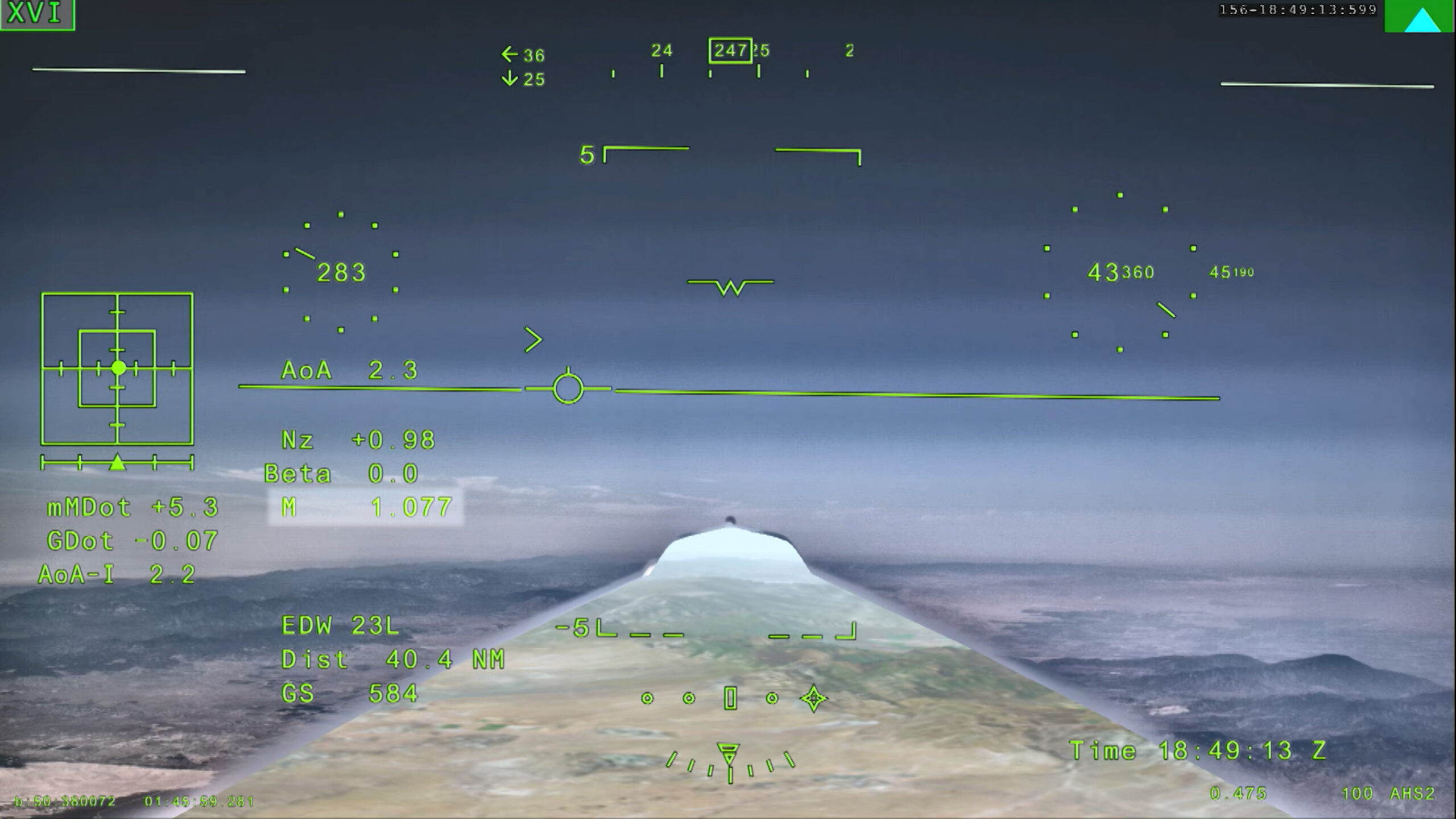
On June 5, NASA’s experimental X-59 aircraft reached a significant milestone by flying faster than the speed of sound for the first time. This achievement sets the stage for demonstrating its unique quiet supersonic capabilities later this year, marking a pivotal moment in aerospace innovation.
Details of the Historic Flight
The flight took place at Edwards Air Force Base in California, with NASA test pilot Jim “Clue” Less at the controls. The X-59 achieved a top speed of approximately Mach 1.1 (713 mph) and reached an altitude of 43,400 feet. The mission commenced at 11:08 a.m. PDT and lasted for 81 minutes, during which the team focused on assessing the aircraft’s performance at both subsonic and supersonic speeds.
NASA Administrator Jared Isaacman expressed pride in the progress made since the aircraft’s inaugural flight on October 28, 2025. “X-59 is getting ready for its quiet supersonic debut,” he stated, noting that the team has conducted 16 flights over the past 90 days and is now preparing to push to Mach 1.4 (925 mph). He acknowledged the collaboration between NASA and Lockheed Martin Skunk Works as essential to reaching this milestone.
The Quiet Supersonic Mission
The X-59 is engineered to fly at supersonic speeds while producing only a soft thump instead of a disruptive sonic boom. For this initial flight, a nearby NASA F-15 chase plane monitored the X-59’s performance; however, its own loud sonic booms masked any sound generated by the X-59.
Michael Kratsios, Assistant to the President for Science and Technology and Director of the Office of Science and Technology Policy, highlighted this flight as a testament to America’s leadership in science and aerospace innovation. He noted that this achievement aligns with ongoing efforts to promote supersonic flight and harness American ingenuity.
Upcoming Tests and Objectives
This first supersonic flight is just one step in a series of critical tests planned for the X-59. In the coming days, it is expected to conduct its first “mission conditions” flight, where it will cruise at Mach 1.4 (925 mph) at an altitude of approximately 55,000 feet. This flight will also include monitoring from a chase plane.
The specified speed and altitude are crucial as they represent baseline conditions for future flights over various U.S. communities. NASA aims to collect data on how people perceive the quieter thump produced by the X-59 compared to traditional sonic booms. This data will be shared with U.S. and international regulators to help establish new noise standards that could pave the way for viable commercial supersonic flights over land.
Ongoing Research and Development
For several months, the X-59 has been engaged in an extensive series of flights known as envelope expansion—a process that involves testing a wide range of speeds and altitudes while being monitored by chase planes. These initial tests focus on performance metrics before transitioning into a phase dedicated specifically to evaluating its sound profile to confirm its quiet operation.
The X-59 serves as a cornerstone of NASA’s Quesst mission (Quiet Supersonic Travel), which aims to demonstrate quiet supersonic flight capabilities while enabling commercial air travel over land worldwide. By advancing these technologies, travelers could reach their destinations more quickly without disturbing those on the ground.
Nasa’s development efforts through Quesst will also yield design tools and technologies aimed at creating quiet supersonic airliners capable of achieving high speeds desired by commercial operators while minimizing noise disturbances. Through rigorous ground and flight testing, NASA intends to validate these design tools, empowering U.S. aircraft manufacturers to explore new concepts that meet emerging quiet flight requirements.
What This Means
The successful supersonic flight of NASA’s X-59 marks an important advancement in aerospace technology with potential implications for future commercial air travel. If successful in demonstrating its quiet capabilities, this aircraft could lead to new regulations allowing supersonic flights over land—significantly reducing travel times for passengers while maintaining community peace. As research continues under the Quesst mission, it stands poised not only to reshape air travel but also to reinforce America’s position as a leader in aerospace innovation.
For more information, read the original report here.