

















NASA’s HARP Project Transforms Plasma Waves into Sound
NASA’s Heliophysics Audified: Resonances in Plasmas (HARP) project has unveiled a groundbreaking method for studying plasma waves that can influence space weather and, by extension, Earth’s power grid. By converting magnetic field measurements into sound, the project allows volunteers to listen to these phenomena, leading to surprising discoveries about the behavior of plasma waves. This innovative approach not only enhances scientific understanding but also engages citizen scientists in meaningful research.
Understanding Plasma Waves and Their Impact
The Sun’s activity generates disturbances that propagate through the Earth’s magnetic field, creating plasma waves that can have significant effects on technology and infrastructure. These waves are crucial for understanding geomagnetic storms, which can disrupt satellite communications and power grids. Scientists have long sought to understand how these waves behave under different conditions.
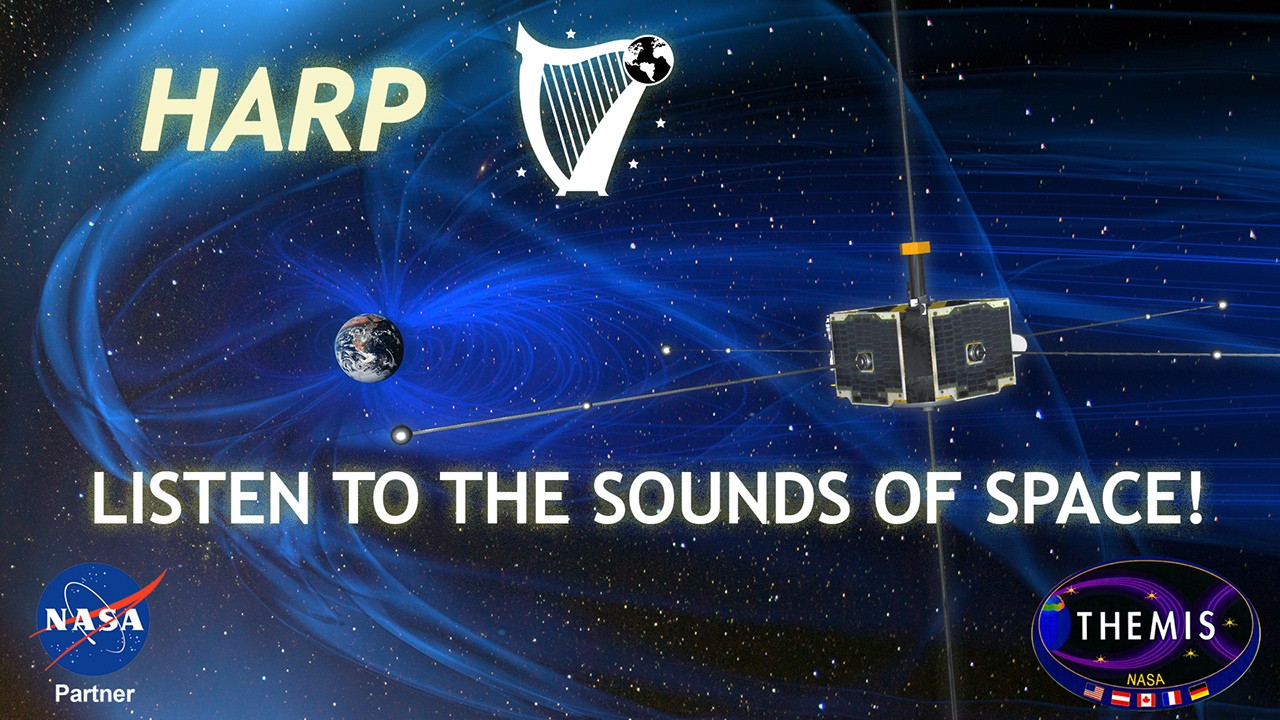
The HARP project takes a unique approach by likening the Earth’s magnetic field to a giant harp. By translating the measurements of magnetic fields into sound, researchers provide an auditory experience that enables volunteers to engage with complex scientific data in an accessible way. This method not only democratizes science but also fosters a deeper connection between participants and the phenomena they study.
Unexpected Findings from Volunteer Participation
The HARP team anticipated that plasma waves would produce lower pitches farther from Earth and higher pitches closer to it. However, when volunteers analyzed data from NASA’s THEMIS (Time History of Events and Macroscale Interactions during Substorms) mission, they encountered an unexpected pattern: lower pitches were detected near Earth while higher pitches were found at greater distances.
This anomaly has significant implications for understanding how plasma waves interact with the Earth’s magnetic field. The insights gained from this project could lead to improved predictions of space weather events, which are increasingly important as society becomes more reliant on technology vulnerable to such disturbances.
Citizen Science: Engaging the Public in Research
The enthusiasm of HARP volunteers highlights the potential of citizen science to contribute meaningfully to academic research. Participants not only helped develop audio analysis protocols but also beta tested user interfaces and identified various plasma wave patterns. One volunteer expressed their excitement by stating they might change their major to physics after participating in the project, showcasing how engagement in science can inspire future generations of scientists.
This collaborative effort between professional scientists and citizen volunteers exemplifies how public participation can enhance scientific discovery. The findings from this research are documented in a recent article published in Frontiers in Astronomy and Space Sciences, further solidifying the project’s contributions to the field.
The Future of HARP and Ongoing Research
The HARP project is sponsored by NASA and continues to receive support from the National Science Foundation. Although it is no longer actively seeking new volunteers, the data collected will be analyzed for years to come. The insights gained will likely inform future studies on space weather and its effects on Earth.
As researchers continue to explore these phenomena, they aim to refine their understanding of how solar activity influences terrestrial systems. The unexpected findings regarding pitch variations could open new avenues for investigation into plasma wave dynamics and their implications for both space weather forecasting and technological resilience.
What This Means
The discoveries made through NASA’s HARP project underscore the importance of interdisciplinary approaches in scientific research. By incorporating citizen science into complex studies like those involving plasma waves, researchers can gather valuable insights while fostering public interest in science and technology. As society continues to navigate challenges posed by space weather, understanding these phenomena becomes increasingly critical for safeguarding infrastructure and enhancing predictive capabilities.
For more information, read the original report here.