























The Intersection of Ceramics and Artificial Intelligence
Ceramics, a blend of earth, fire, and human creativity, have been central to human culture for thousands of years. They are more than just functional items; they are artifacts that have traversed different cultures and eras, symbolizing status, wealth, and artistry. From the trade routes of the Tang Dynasty to the grandeur of Renaissance palaces, and from the quiet corners of museums to the bustling auction floors, ceramics have continuously held a significant place in human history. Their worth has been shaped by various factors, including aesthetics, economy, empires, and more recently, advancements in technology.
In an intriguing development, researchers at University Putra Malaysia, in collaboration with UNSW Sydney, have harnessed the power of artificial intelligence to bring a new dimension to the world of ceramics. They have developed an AI system capable of classifying Chinese ceramics and predicting their market value with remarkable accuracy. This innovative tool leverages deep learning, a subset of AI, to scrutinize decorative motifs, shapes, and specific craftsmanship techniques associated with kilns. With access to real auction data from prestigious institutions like Sotheby’s and Christie’s, the AI can predict price categories with a test accuracy as high as 99%.
A New Era of Ceramic Analysis
The AI system is a significant breakthrough, powered by an NVIDIA GeForce RTX 3090, a graphics processing unit (GPU) commonly used by gamers for its exceptional performance in rendering video game graphics. Unlike specialized industrial hardware or data centers, this consumer-grade GPU is driving the AI’s capabilities, showcasing the versatility and power of modern-day computing technology.
Siqi Wu, one of the researchers involved, explains that the primary motivation behind this project is accessibility. Historically, the valuation and dating of artifacts have been the domain of experts, a resource that is often out of reach for young collectors, smaller museums, and digital archives. By integrating AI, Wu and his team aim to democratize this knowledge, making cultural appraisal more objective, scalable, and accessible to a broader audience.
The Intricacies of AI in Ceramics
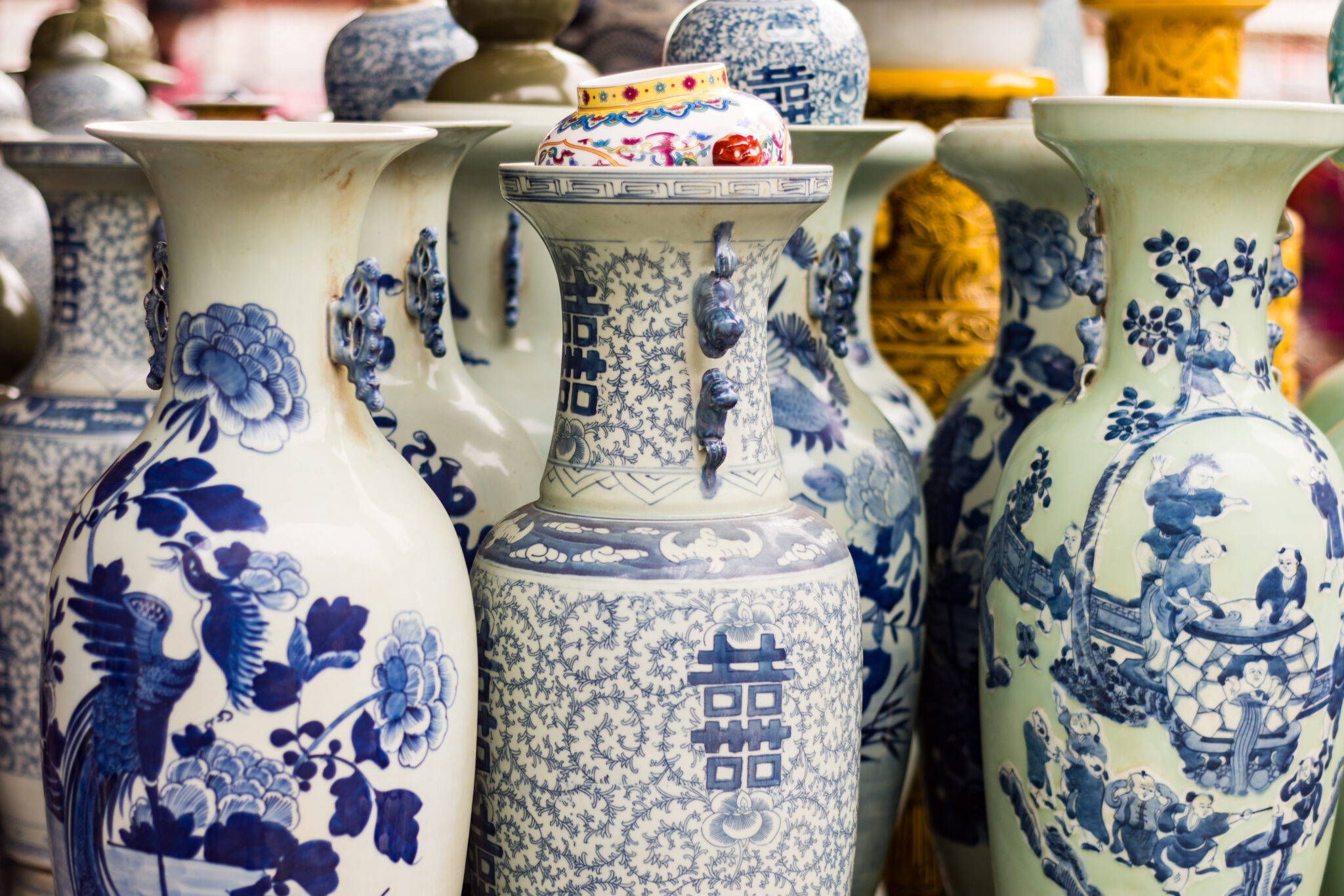
The AI system does more than just classify ceramics by form. It delves into the detailed decorative patterns that adorn Chinese ceramics, categorizing them into six major types: plant patterns, animal motifs, landscapes, human figures, crackled glaze patterns, and geometric designs. By analyzing these patterns at a categorical level, the system can annotate images based on the most visually dominant designs, providing a comprehensive understanding of the ceramic piece.
Moreover, the AI employs a typological classification system for ceramic vessel shapes. This system breaks down the shapes into modular morphological parts such as the bottle neck, handle, shoulder, spout, body, and base. This detailed analysis allows the system to classify shapes ranging from bottles and jars to plates, bowls, cups, pots, and washbasins.
Bridging Tradition and Technology
The integration of AI in ceramics doesn’t stop at classification. The system also pairs its YOLOv11-based detection model with an algorithm that learns market value from actual auction results accumulated over the years. In a noteworthy test, the AI assessed a Ming Dynasty artifact and estimated its value to be around 30% less than its final auction price. This highlights the potential for AI to provide fresh perspectives in an industry rich with tradition.
The implications of this technology extend beyond ceramics. The research team is already considering applying AI to other forms of cultural visual heritage, such as Cantonese opera costumes and historical murals. This exploration promises to open up new avenues for understanding and appreciating cultural artifacts.
The Value Debate: A Modern Perspective
At present, a graphics card designed for gaming is unraveling centuries of craftsmanship and contributing to one of the oldest and most global debates: what determines an object’s value? This AI-driven approach not only quantifies heritage but also fosters a broader conversation about it. By making such expertise more accessible, technologies like this AI system help to bridge the gap between traditional expert knowledge and the modern-day enthusiast or collector.
The development of this AI system marks a significant milestone in the intersection of technology and cultural heritage. As we continue to advance technologically, the opportunities to blend tradition with innovation are endless, offering exciting prospects for the future of cultural preservation and appreciation. For anyone interested in exploring further, the original research can be accessed here.
For more Information, Refer to this article.