
























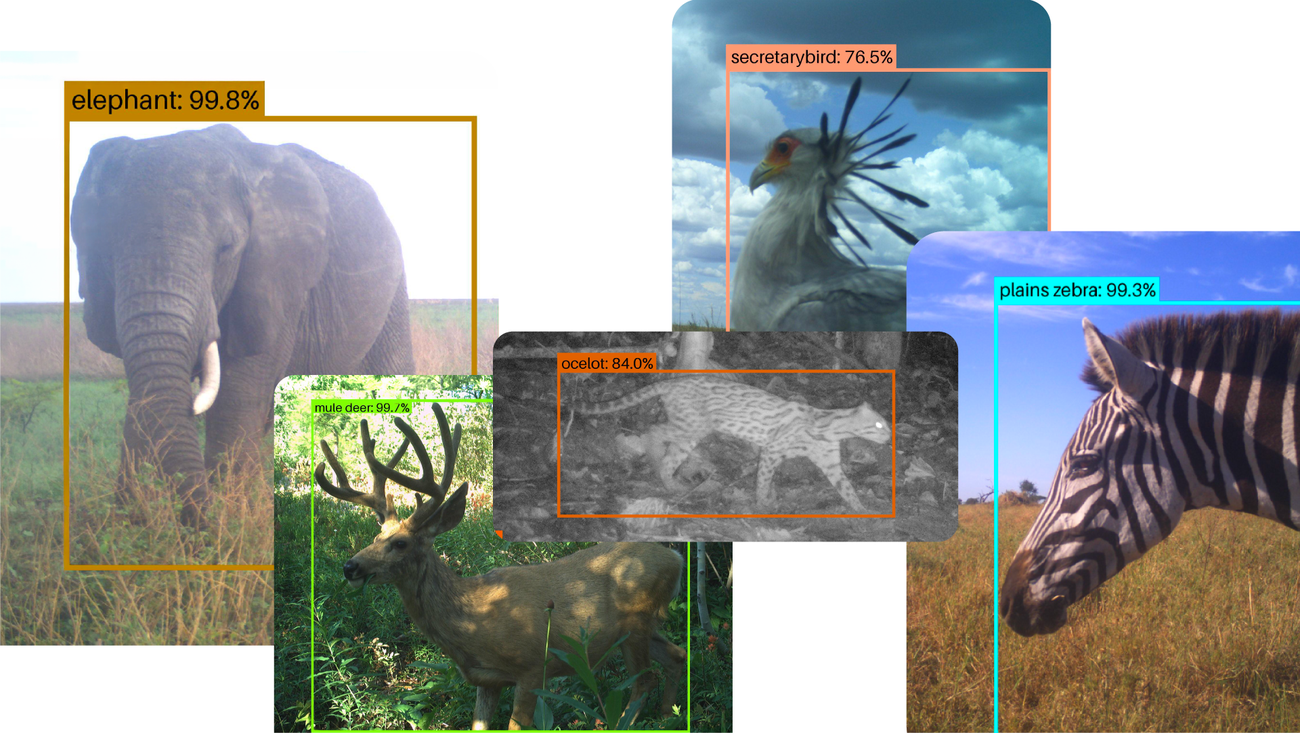
In Australia, an exciting development has emerged in the field of wildlife conservation thanks to the collaborative efforts of the Wildlife Observatory of Australia, commonly known as WildObs. This organization has taken significant strides by adapting the open-source SpeciesNet model to better suit the unique biodiversity of the region. Australia is renowned for its diverse and unique wildlife, with many species endemic to the continent. These species are not only a source of national pride but also a critical focus for conservation efforts due to their vulnerability and ecological importance.
### Enhancing SpeciesNet for Local Needs
SpeciesNet, originally developed as a versatile tool for identifying wildlife species, operates by analyzing images captured through camera traps. These devices are strategically placed in natural habitats to monitor animal activity without disturbing the environment. While the original model of SpeciesNet was designed to identify a broad range of species globally, WildObs recognized the necessity of tailoring this technology to focus on species that hold particular significance in Australia. By training the model on species that are endemic or highly relevant to the Australian ecosystem, such as the koala, platypus, and various species of kangaroos, WildObs has effectively customized SpeciesNet to serve as a powerful conservation tool.
### The Importance of Customized Conservation Tools
The adaptation of SpeciesNet to Australia-specific species is crucial for several reasons. First, it enables conservationists and researchers to monitor populations of iconic, threatened, or endangered species more accurately. Given that many Australian animals are not found anywhere else in the world, their conservation is of utmost importance. By having a model that is trained specifically on these species, conservationists can gather more precise data, allowing for informed decision-making and more effective conservation strategies.
Furthermore, the customized model allows for the identification of species from various perspectives, lighting conditions, and even when only a part of the animal is visible. This capability is essential in the wild, where animals rarely cooperate by posing perfectly for the camera. On occasion, however, animals do get curious and face the camera, resulting in remarkably clear portraits that can be used for detailed analysis.
### A Broader Impact on Global Conservation Efforts
The work being done by WildObs is just one example of the numerous collaborations that have leveraged the capabilities of SpeciesNet to enhance wildlife monitoring and conservation efforts worldwide. By working with various organizations, SpeciesNet has been deployed in multiple environments, providing valuable data that contributes to a deeper understanding of wildlife populations and their behaviors. These efforts underscore the importance of technology in modern conservation strategies, offering innovative solutions to traditional challenges.
### The Role of Technology in Conservation
The integration of artificial intelligence and machine learning in wildlife conservation marks a significant advancement in how scientists and conservationists gather and analyze data. SpeciesNet exemplifies how technology can be harnessed to address complex ecological issues. The use of AI in this field not only improves the accuracy of species identification but also streamlines the process, allowing for real-time monitoring and swift response to ecological changes.
As technology continues to evolve, the potential applications for AI in conservation are vast. From predictive modeling, which anticipates changes in wildlife populations and habitats, to automated systems that can alert conservationists to environmental threats, the future of AI in this field is promising. These advancements are crucial as they enable more proactive conservation measures, ultimately contributing to the preservation of biodiversity.
### Reflections and Future Directions
While the immediate success of SpeciesNet in Australia is noteworthy, it also prompts reflection on the potential for similar adaptations in other regions. Each ecosystem presents its own set of challenges and priorities, and the adaptability of models like SpeciesNet is key to addressing these unique needs. By continuing to refine and expand the capabilities of AI tools, conservationists can better protect the diverse array of species that inhabit our planet.
For those interested in delving deeper into the history of SpeciesNet and its development, the Google Research Blog offers a comprehensive overview. The blog details the model’s training processes, performance evaluations, and the collaborative efforts that have contributed to its success. This resource serves as a valuable reference for anyone looking to understand the technical underpinnings of SpeciesNet and its application in conservation.
### Conclusion
In conclusion, the adaptation of SpeciesNet by the Wildlife Observatory of Australia represents a significant advancement in wildlife conservation. By tailoring the model to focus on species unique to Australia, WildObs has enhanced the ability to monitor and protect these critical populations. This initiative not only highlights the importance of technology in conservation but also sets a precedent for future efforts to adapt AI tools to local ecological needs. As we continue to face global environmental challenges, the integration of technology into conservation strategies promises to play a pivotal role in safeguarding the planet’s biodiversity for generations to come.
For more Information, Refer to this article.