






























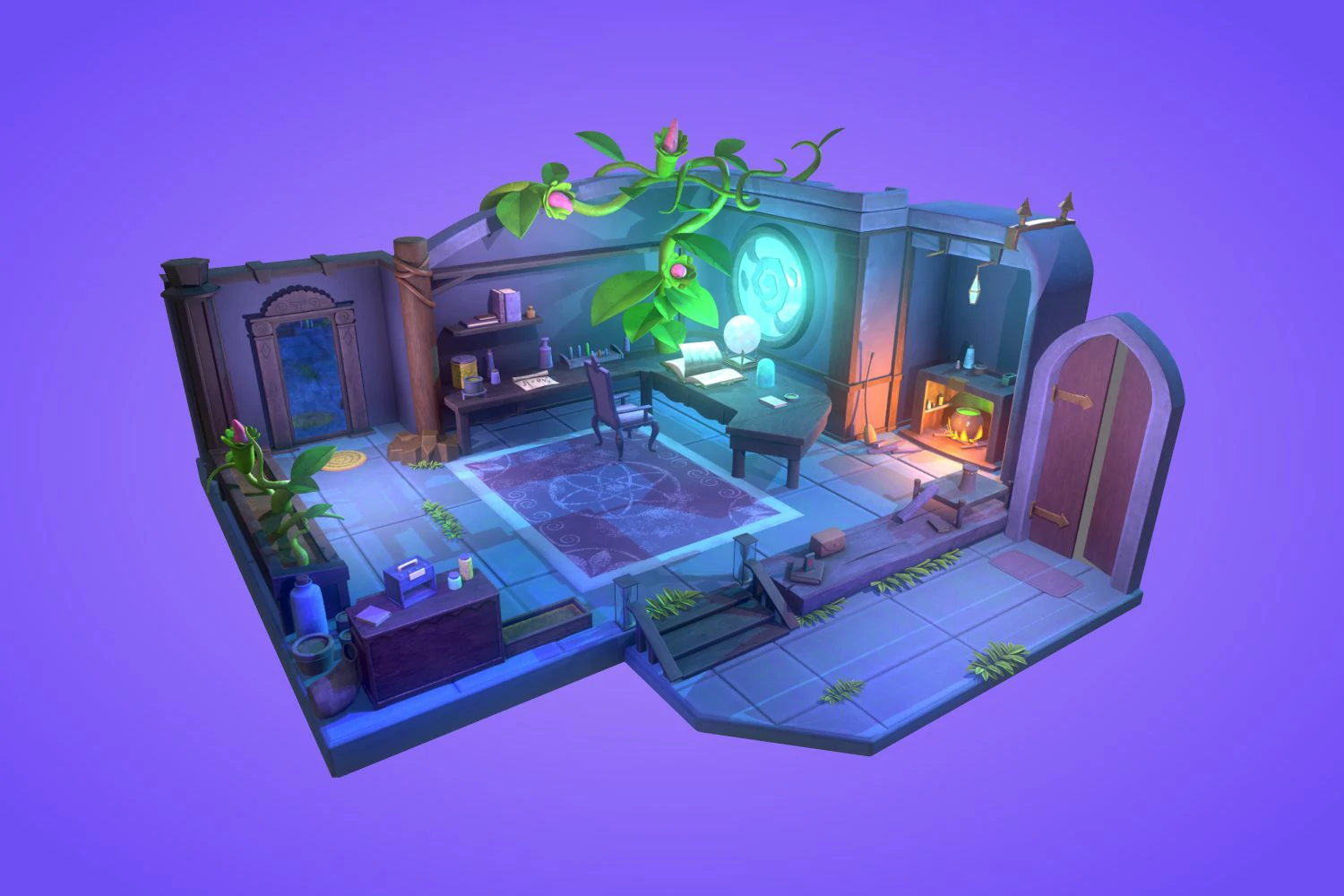
In the fast-paced world of game development, 3D art styles play a crucial role in captivating players and enhancing their gaming experience. As we delve into the year 2026, the gaming industry is witnessing a surge in the adoption of various 3D art styles that are reshaping the landscape of game design.
When it comes to 3D art styles, realism stands out as a frontrunner. This style aims to replicate real-world visuals, providing players with immersive experiences that blur the lines between reality and the digital realm. On the other end of the spectrum, low poly art style utilizes simple geometric shapes and minimal textures to create stylized visuals that are both unique and visually appealing.
In the realm of game development, the choice of a particular 3D art style is influenced by various factors such as the target audience, platform capabilities, and project scope. Whether it’s creating a realistic world for a simulation game or opting for a cartoony style for a casual mobile game, developers carefully consider these factors to enhance gameplay and overall player engagement.
As we explore the top 7 3D art styles dominating the gaming industry in 2026, it’s evident that the hybrid style mixing approach is gaining traction. By blending multiple art styles strategically, game developers can create visually engaging environments that cater to a diverse player base. Additionally, the performance-first design philosophy is guiding studios to prioritize art styles that deliver strong visual impact without compromising on performance across different platforms.
In the realm of sustainability, carbon-aware development has become a key consideration for game studios. By choosing energy-efficient art styles like low-poly and cartoony, developers can reduce the environmental impact of rendering while still delivering visually captivating games.
Cross-platform consistency is another trend that is shaping the choice of 3D art styles in 2026. With games launching simultaneously on mobile, console, and PC, art styles that scale elegantly across devices are becoming strategic choices for developers.
When it comes to creating 3D game art, the process involves modeling, texturing, rendering, and animation. Each step requires meticulous attention to detail and a keen eye for creativity to bring game worlds and characters to life.
As game developers navigate the complex world of 3D art styles, understanding the return on investment is crucial. By analyzing revenue performance across different art styles, developers can make informed decisions that not only enhance the visual appeal of their games but also contribute to their commercial success.
In conclusion, the world of 3D art styles in game development is evolving rapidly, with new trends and technologies shaping the way games are designed and experienced. By staying abreast of these trends and understanding the nuances of different art styles, developers can create immersive and engaging gaming experiences that resonate with players around the world.
For more Information, Refer to this article.







