
























FAA Mandates Investigation for SpaceX’s Starship Test Flight
The Federal Aviation Administration (FAA) has announced that SpaceX must conduct a thorough investigation into its recent Starship test flight before the vehicle can take to the skies again. This decision comes in the wake of an incident during the flight that raised safety concerns, highlighting the regulatory body’s commitment to ensuring safe aerospace operations.
Details of the Incident
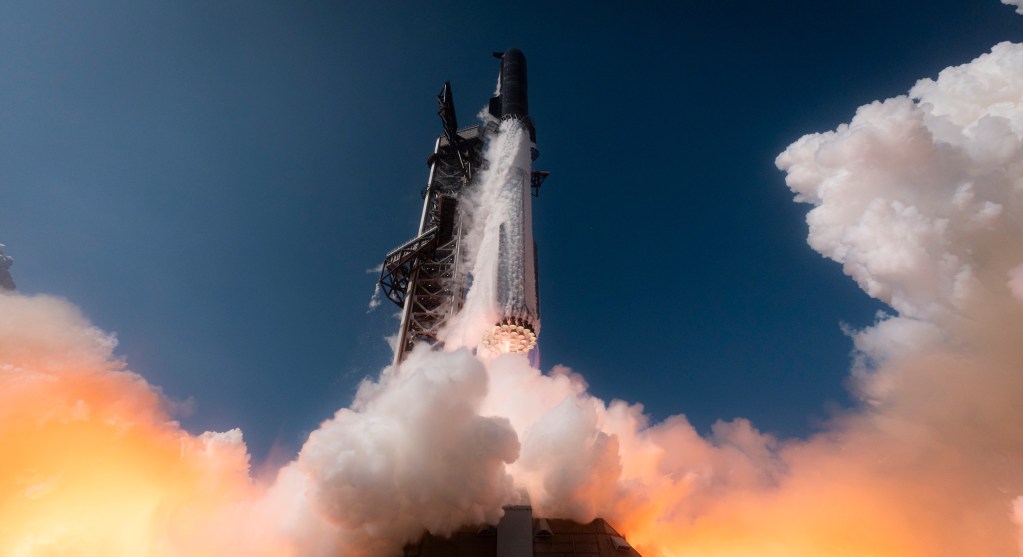
During the latest test flight, designated as Flight 12, SpaceX’s Starship encountered significant issues shortly after launch. Although specific details about the incident have not been fully disclosed, preliminary reports indicate that anomalies occurred during ascent, leading to an unexpected termination of the mission. Fortunately, there were no injuries or fatalities reported as a result of this incident.
The FAA’s requirement for an investigation underscores the importance of adhering to safety protocols in aerospace testing. The agency will review all aspects of the flight, including pre-launch procedures and in-flight performance, to determine what went wrong and how similar incidents can be prevented in future missions.
Implications for SpaceX and Future Launches
This mandate from the FAA could have significant implications for SpaceX’s operational timeline. The company has ambitious plans to utilize its Starship vehicle for a variety of missions, including crewed flights to Mars and commercial satellite launches. Any delay in obtaining approval from the FAA could hinder these plans and affect contractual obligations with clients.
SpaceX is known for its rapid development cycles and iterative testing approach. However, regulatory compliance is critical when it comes to launching vehicles that carry both crew and cargo into space. The FAA’s decision serves as a reminder that even innovative companies must navigate complex regulatory landscapes.
SpaceX’s Response and Next Steps
In response to the FAA’s announcement, SpaceX has indicated its commitment to cooperating fully with the investigation process. The company aims to identify any technical failures or procedural oversights that contributed to the incident. Following the investigation, SpaceX is expected to implement corrective measures before seeking approval for future flights.
The investigation will likely involve a detailed analysis of telemetry data collected during Flight 12, interviews with personnel involved in the launch, and assessments of engineering practices at SpaceX. This comprehensive approach is designed to ensure that all potential risks are addressed before any subsequent flights occur.
Broader Context: Regulatory Oversight in Aerospace
The FAA’s involvement in this situation reflects broader trends in regulatory oversight within the aerospace industry. As private companies like SpaceX push boundaries in space exploration and commercial launches, regulatory bodies are tasked with balancing innovation against safety concerns. This dynamic is particularly crucial as more players enter the market and public interest in space travel grows.
The FAA has previously faced criticism for its handling of various incidents involving commercial spaceflight operations. However, its insistence on thorough investigations is essential for maintaining public trust and ensuring that safety remains a top priority as new technologies emerge.
What This Means
The requirement for an investigation into SpaceX’s Starship test flight emphasizes the necessity of stringent safety measures within aerospace operations. As private companies continue to lead advancements in space technology, regulatory oversight will play a crucial role in shaping their future endeavors. For SpaceX specifically, this situation may lead to delays but ultimately aims to enhance safety protocols that protect both crew members and equipment during ambitious missions ahead.
For more information, read the original report here.