
























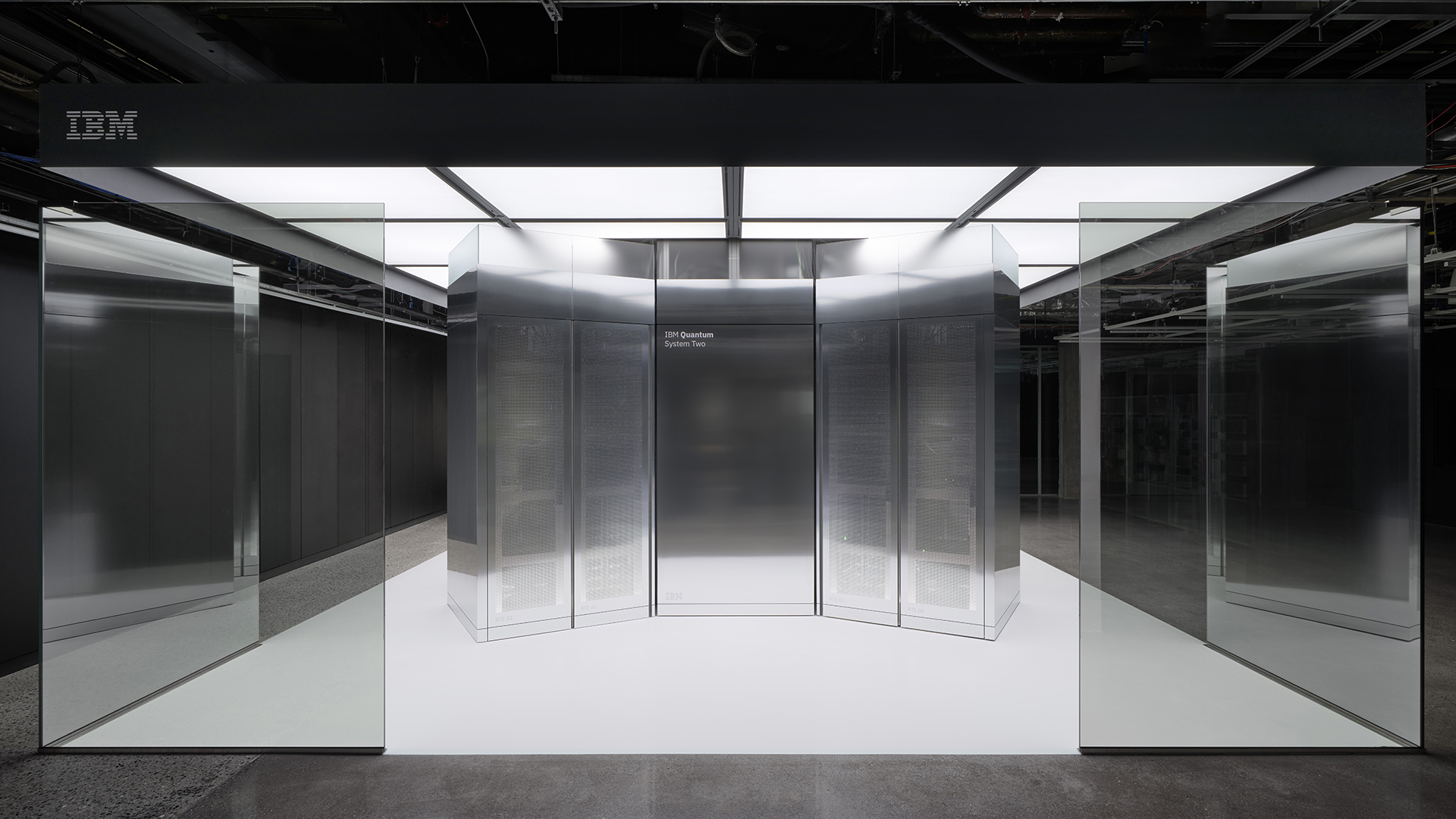
IBM Unveils $10 Billion Quantum Computing Investment Plan
IBM has announced a significant investment exceeding $10 billion in quantum computing over the next five years, a move aimed at solidifying its leadership in this transformative technology. This initiative, revealed on June 2, 2026, encompasses research and development, manufacturing scaling, ecosystem partnerships, and mergers and acquisitions (M&A), all designed to accelerate IBM’s quantum roadmap toward delivering the world’s first large-scale, fault-tolerant quantum computer by 2029.
Strengthening Quantum Leadership
This ambitious investment builds upon IBM’s already extensive foundation in quantum computing. The company operates the largest fleet of quantum computers globally and boasts the most widely used quantum software. With over 340 organizations currently utilizing its quantum systems for real workloads, IBM is well-positioned to lead the commercial quantum computing market.
Arvind Krishna, Chairman and CEO of IBM, emphasized the urgency of this investment by stating, “The quantum era is no longer ahead of us; it has started.” He noted that clients and partners are increasingly leveraging IBM’s quantum capabilities for complex tasks that were previously deemed impossible. This investment aims to enhance IBM’s ability to deliver advanced hardware and software solutions while expanding its manufacturing capabilities.
Key Components of the Investment
The $10 billion investment will focus on several critical areas that are expected to drive innovation and adoption in quantum computing:
- Expansive Global Quantum Fleet: IBM currently operates over 90 quantum systems worldwide through cloud services and dedicated on-site deployments. This fleet includes systems located at various prestigious institutions such as the Cleveland Clinic in Ohio and RIKEN in Japan.
- Roadmap to Fault-Tolerant Quantum Computing: The company has set a clear path toward delivering IBM Quantum Starling by 2029. This system aims to execute 20,000 times more operations than current systems, laying the groundwork for future advancements like IBM Quantum Blue Jay.
- Expanding Adoption: Since launching its quantum program in 2017, IBM has signed contracts worth over $1.1 billion with clients across diverse sectors including finance and healthcare. More than 340 members of the IBM Quantum Network are actively exploring practical applications of quantum technology.
- America’s First Quantum Foundry: In collaboration with the U.S. Department of Commerce, IBM plans to establish Anderon, a purpose-built quantum wafer foundry. This initiative will see an investment of $1 billion from IBM along with significant intellectual property contributions.
- Path to Quantum Advantage: IBM anticipates that its partners will achieve a demonstrable quantum advantage by 2026. Recent experiments indicate notable progress in using quantum computers as effective scientific tools.
- The World’s Most Popular Quantum Software: Qiskit, developed by IBM, is currently the preferred software stack for quantum computing among developers worldwide. Nearly 70 percent of quantum developers utilize Qiskit for optimizing and executing their workloads.
The Future of Quantum Computing
The implications of this substantial investment extend beyond just technological advancements; they also signify a commitment to maintaining U.S. leadership in a field that is rapidly evolving. By focusing on both hardware development and ecosystem expansion, IBM aims to not only enhance its own offerings but also foster broader adoption across industries.
This strategic move comes at a time when global competition in quantum technology is intensifying. Other tech giants are also investing heavily in similar technologies, making it crucial for companies like IBM to maintain their edge through innovation and collaboration.
What This Means for the Tech Landscape
The announcement of this $10 billion investment underscores the growing importance of quantum computing as a pivotal technology for future scientific breakthroughs and industrial applications. As organizations increasingly seek solutions for complex problems that classical computers struggle to solve, investments like IBM’s will likely accelerate research efforts and practical implementations across various sectors.
This commitment not only enhances IBM’s position but also serves as a catalyst for other companies to invest in their own quantum initiatives. As more organizations begin to harness the power of quantum computing, it could lead to significant advancements in fields such as pharmaceuticals, materials science, finance, and artificial intelligence—ultimately reshaping industries as we know them today.
For more information, read the original report here.