

















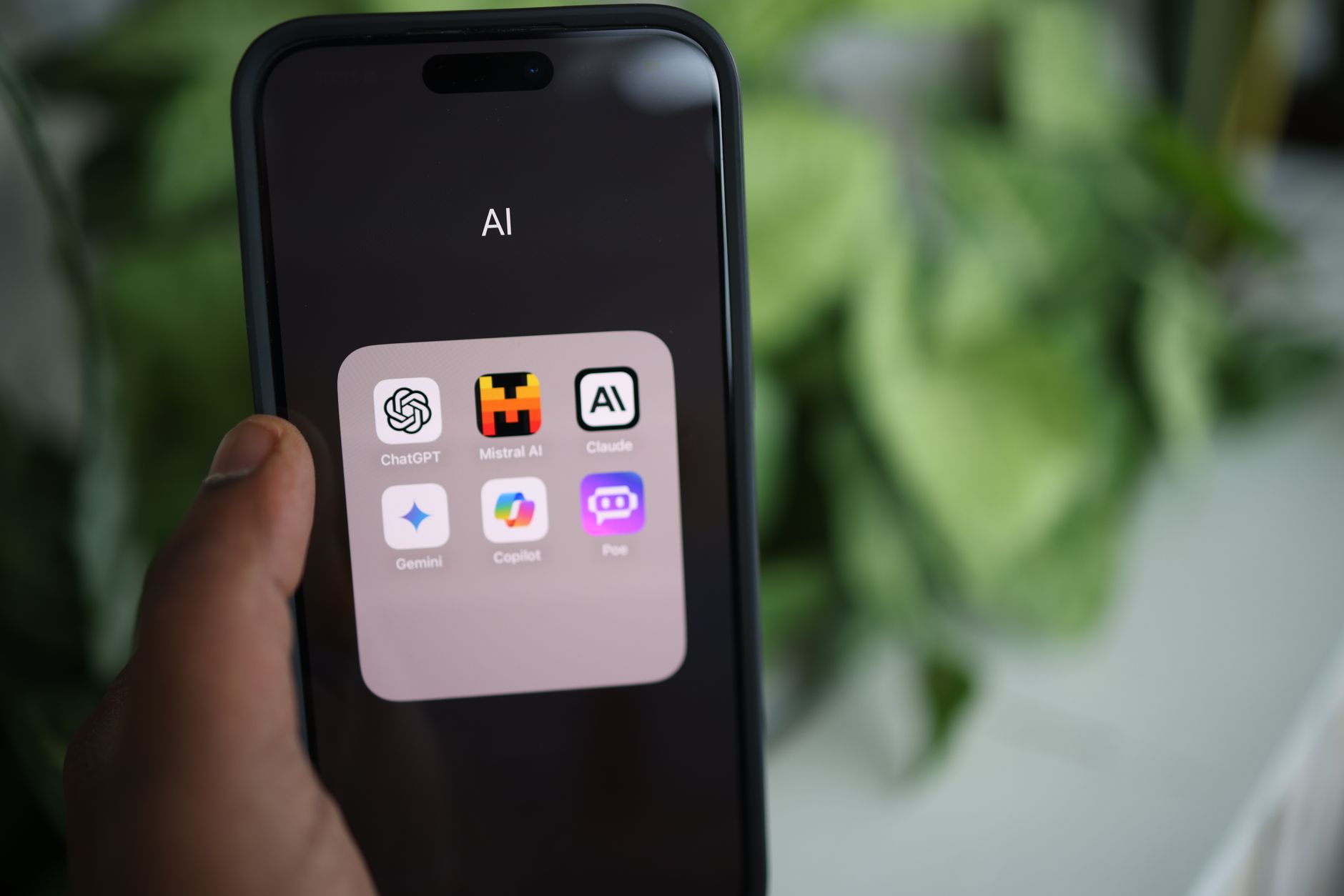
This perplexity ai app review 2026 dives deep into what has quickly become one of the most talked-about AI tools of the year. Marketed as an answer engine rather than a chatbot, Perplexity AI blends real-time web search with large language model reasoning to deliver cited, source-backed responses. After spending several weeks testing the app across iOS, Android, macOS, and Windows, we have a clear picture of where it shines, where it struggles, and whether the Pro tier is worth your money. If you have been curious about switching from ChatGPT or Google, this review will help you decide.
What Is Perplexity AI and How Does It Work in 2026?
Perplexity AI is best described as an ai search engine app that combines the conversational ability of large language models with live web indexing. Instead of generating answers purely from training data, it queries the open web in real time, then summarises findings with inline citations. This makes it fundamentally different from traditional chatbots that hallucinate without warning.
In 2026, Perplexity runs on a routing system that automatically selects between GPT-4.1, Claude 4 Sonnet, Sonar Large (its in-house model), and Gemini 2.5 Pro depending on the query type. Pro users can manually pick which model handles each thread, which is a huge advantage for power users who care about reasoning quality versus speed.
Core Interface and User Experience
The Perplexity app interface is refreshingly minimal. A single search bar dominates the home screen, with optional Focus modes for Academic, Writing, Math, Video, and Social. Each answer arrives with numbered citations you can tap to verify the original source, plus follow-up suggestions to deepen the thread.
On mobile, voice mode now feels genuinely conversational, with sub-second latency on most networks. The macOS and Windows desktop apps added a global hotkey in early 2026 that lets you summon Perplexity from anywhere, similar to Spotlight or PowerToys Run.
Perplexity vs ChatGPT: The Real Differences
The perplexity vs chatgpt debate dominates AI forums, and for good reason. Both tools can answer complex questions, write code, and summarise documents, but they approach the task from opposite directions. ChatGPT prioritises generative depth and creative output, while Perplexity prioritises accuracy and source transparency.
In our testing, ChatGPT produced longer, more polished prose for tasks like blog drafts or marketing copy. Perplexity, however, dominated when we needed verifiable facts, recent news, financial data, or scientific citations. Asking both apps about a 2026 medical study, ChatGPT hedged with disclaimers while Perplexity returned three peer-reviewed sources with direct quotes.
When to Choose Each Tool
- Use Perplexity for research, fact-checking, current events, academic work, and any query where you need to cite sources.
- Use ChatGPT for creative writing, role-play, long-form drafting, voice conversations, and complex multi-step coding projects.
- Use both if your workflow involves research-heavy writing — Perplexity for gathering, ChatGPT for shaping.
Worth noting: students relying on either tool for coursework should read this guide on failing grades from AI overuse in CS classes. The same patterns that hurt students also hurt professionals who outsource thinking instead of verification.
Perplexity Pro Features Worth Paying For
The free tier of Perplexity is generous, offering unlimited quick searches and a handful of Pro searches per day. However, the perplexity pro features are where the platform really differentiates itself in 2026. At roughly $20 per month (or $200 annually), Pro unlocks several capabilities that justify the price for heavy users.
Pro Search performs multi-step reasoning, breaking complex questions into sub-queries and synthesising the results. For example, asking “compare the energy efficiency of the M4 Pro versus Ryzen AI 9 365 under sustained load” triggers four separate searches and produces a comparison table with citations.
- Unlimited Pro Searches with advanced multi-step reasoning
- Model selection across GPT-4.1, Claude 4, Sonar Large, Gemini 2.5, and Grok 3
- File uploads including PDFs, CSVs, and images up to 50MB
- Perplexity Spaces for organising threads by project with custom system prompts
- Image generation via DALL-E 3, Flux, and Playground
- API credits worth $5 per month for developer experimentation
Spaces: The Underrated Pro Killer Feature
Spaces let you create dedicated workspaces with uploaded documents, custom instructions, and shared collaborators. We built a Space for cybersecurity research with three threat intelligence PDFs and custom instructions to always cite CVE numbers — every subsequent question used those files as primary context. This alone replaced our need for a separate RAG tool.
Pro tip: Create a Space per major project and pin your most-used reference documents. The context persists across sessions, saving significant prompt engineering time.
Accuracy, Hallucinations, and Source Quality
No ai chatbot comparison is honest without addressing hallucinations. Perplexity is not immune, but its citation-first architecture dramatically reduces fabricated facts. In 50 test queries across technical, medical, legal, and historical topics, we found three minor inaccuracies — usually misattributed quotes — versus eleven from a comparable ChatGPT session without browsing enabled.
That said, Perplexity is only as good as its sources. It occasionally cites SEO-spam blogs or outdated forum threads when authoritative material is paywalled. Pro users can mitigate this by switching to Academic Focus, which restricts citations to peer-reviewed databases like Semantic Scholar and PubMed.
Warning: Never use any AI tool as the sole source for medical, legal, or financial decisions. Always click through to the original citation and verify the publication date, especially for fast-moving topics like cybersecurity or tax law.
Can Perplexity Replace Google? A Practical Test
Many users wonder if Perplexity qualifies as the best ai assistant 2026 for everyday search. To find out, we replaced Google with Perplexity for two weeks across one author’s daily workflow — including shopping research, local business lookups, news consumption, and technical troubleshooting.
The results were mixed but encouraging. For research questions (“what are the trade-offs of LiFePO4 versus NMC batteries”), Perplexity was vastly superior, returning a comparison in seconds versus 15 minutes of tab juggling. For navigational queries (“Hawkdive homepage” or “local pharmacy hours”), it was slower and occasionally wrong — confirming that traditional search still owns these use cases.
Where Perplexity Wins Over Google
- Research questions requiring synthesis across multiple sources
- Technical troubleshooting where you need the answer, not 10 blue links
- News summaries with cited timelines of evolving stories
- Product comparisons with structured pros and cons tables
- Academic and scientific queries with peer-reviewed citations
If you also want to explore other AI-first browsing experiences, our team’s Arc Search app review covers another contender trying to reinvent how we navigate the web.
Platform Support, Performance, and Known Issues
Perplexity ships native apps for iOS, Android, macOS, and Windows, plus browser extensions for Chrome, Safari, Edge, Arc, and Firefox. The mobile apps are polished, with iOS 18 widget support and Android lock-screen voice activation. On Apple Silicon Macs, the desktop app uses approximately 180MB of RAM idle — light by modern standards.
However, the macOS app has had documented conflicts with certain security tools in 2026. If you run enterprise endpoint protection, you may see network handshake errors similar to those covered in our writeup on Anthropic AI vulnerability scanner issues on macOS. The fix patterns are nearly identical: whitelist the app’s signed binary and allow outbound HTTPS to the relevant API endpoints.
Windows users should be aware that Perplexity’s desktop client requires Windows 10 build 19045 or later. Power users will appreciate combining it with our roundup of Windows 11 keyboard shortcuts to boost productivity, since the global hotkey integrates beautifully with snap layouts and virtual desktops.
Common Bugs and Quick Fixes
- Voice mode cutting out: Disable Bluetooth audio routing and use device speakers, then re-pair.
- Citations not loading: Clear the in-app cache via Settings > Storage > Clear Cache.
- Slow first response: Switch from Auto model to Sonar Large for faster initial routing.
- File upload failures: Confirm the file is under 50MB and not password-protected.
- Sign-in loops on macOS: Remove the app from Keychain Access entries, then reinstall.
FAQ
Is Perplexity AI worth the subscription in 2026?
For students, researchers, journalists, analysts, and developers, Perplexity Pro at $20 per month is excellent value. The combination of unlimited Pro Search, multi-model access, file uploads, and Spaces typically replaces two or three separate AI subscriptions. Casual users who only ask a few questions per week will find the free tier sufficient.
How does Perplexity compare to ChatGPT and Gemini?
Perplexity beats both for cited research and current information. ChatGPT remains superior for creative writing, voice conversation, and complex coding projects with its Canvas and Code Interpreter tools. Gemini 2.5 Pro wins for tight integration with Google Workspace and very long context windows. Many professionals use all three for different jobs.
Can Perplexity AI replace Google Search?
Partially. Perplexity excels at research and synthesis queries but struggles with navigational searches, local business lookups, and shopping price comparisons. We recommend keeping Google as your default browser search engine while using Perplexity as a dedicated app for deeper questions that would normally require opening multiple tabs.
What are Perplexity Pro’s exclusive features?
Pro exclusives include unlimited Pro Search with multi-step reasoning, manual model selection across five major LLMs, 50MB file uploads with PDF and CSV analysis, Perplexity Spaces for project-based workflows, integrated image generation, and $5 in monthly API credits. The annual plan also unlocks early access to beta features like Perplexity Assistant on Android.
Final Verdict on Perplexity AI in 2026
After extensive testing, our perplexity ai app review 2026 concludes that Perplexity is the most reliable AI tool available today for research, fact-finding, and source-backed answers. It is not a wholesale ChatGPT replacement — creative writers and conversational users will still prefer OpenAI’s app — but it is the strongest answer engine on the market and a genuine threat to traditional search. The free tier alone is worth installing, and Pro is a no-brainer for anyone who lives in research-heavy workflows.
If you are building a complete AI toolkit for 2026, pair this review with our breakdown of MAI-Code-1-Flash issues on Apple devices for developer-focused fixes, and our coverage of the Microsoft YellowKey zero-day BitLocker vulnerability to keep your Windows machine secure while you experiment with new AI clients. Smart adoption means staying informed about both the tools and the risks.