























AstroForge Advances with DeepSpace-2 Spacecraft Assembly
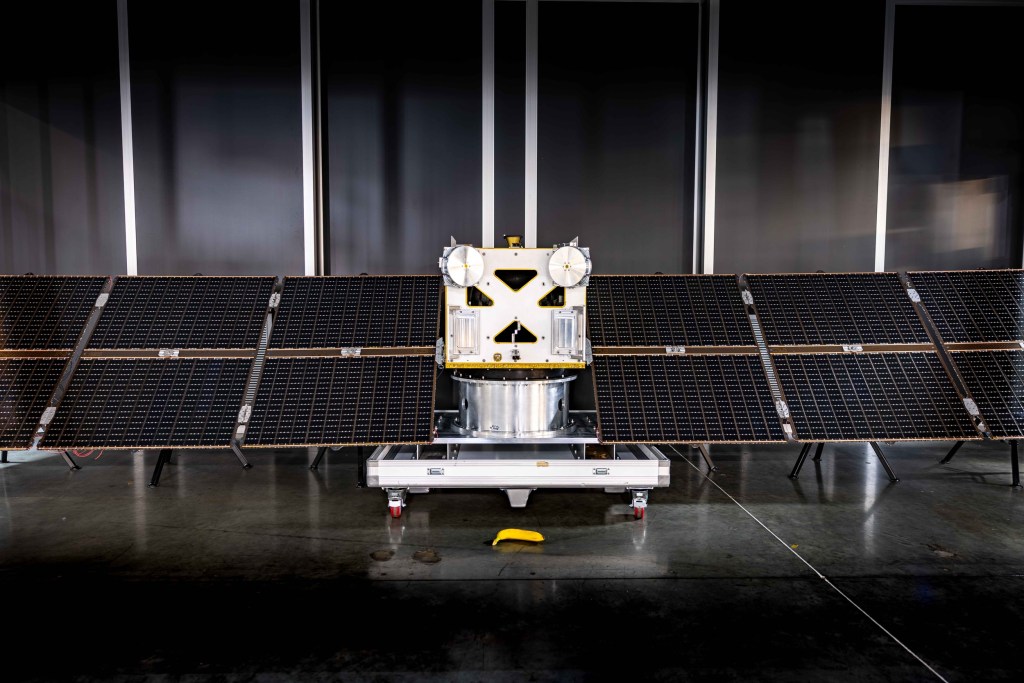
AstroForge, an innovative startup focused on asteroid mining, has successfully completed the assembly of its latest spacecraft, DeepSpace-2. This development comes ahead of a planned launch later this year and reflects the company’s commitment to learning from its previous setbacks in space missions.
Background on AstroForge
Founded with the vision of revolutionizing resource extraction from asteroids, AstroForge aims to tap into the vast mineral wealth present in space. The company is part of a growing sector that sees potential in mining celestial bodies for precious metals and other resources that could be utilized on Earth or in future space endeavors. The completion of DeepSpace-2 marks a significant step forward for AstroForge as it seeks to establish itself as a leader in this emerging industry.
Lessons Learned from Previous Missions
The journey to DeepSpace-2’s assembly was not without challenges. Last year, AstroForge faced a setback with its initial spacecraft launch, which did not achieve its intended objectives. Following this experience, the team undertook a thorough review of their mission parameters and design specifications. This reflection led to crucial modifications in the spacecraft’s design and operational protocols, aimed at enhancing reliability and performance during missions.
AstroForge’s engineers implemented several improvements based on data collected from the previous mission’s failure. These adjustments include enhanced propulsion systems and more robust communication equipment designed to withstand the harsh conditions of space. The company also prioritized rigorous testing procedures to ensure that every component meets strict quality standards before launch.
DeepSpace-2: Technical Specifications and Mission Objectives
The DeepSpace-2 spacecraft is equipped with advanced technology tailored for asteroid exploration. It features state-of-the-art sensors capable of detecting mineral compositions on target asteroids, which will be essential for determining their viability for mining operations. Additionally, the spacecraft is designed to conduct autonomous navigation, allowing it to maneuver efficiently through space without constant human intervention.
The primary objective of DeepSpace-2 is to reach a designated asteroid belt where it will gather data on potential mining sites. This mission aims not only to assess mineral content but also to evaluate the feasibility of future extraction missions. By gathering this information, AstroForge hopes to pave the way for sustainable resource harvesting that could support both terrestrial industries and future space exploration initiatives.
Future Implications for Asteroid Mining
The successful launch and operation of DeepSpace-2 could have far-reaching implications for the field of asteroid mining and beyond. If AstroForge can demonstrate effective resource extraction techniques, it may encourage further investment in space mining technologies. This could lead to increased collaboration between private companies and governmental space agencies, fostering an environment ripe for innovation.
Moreover, successful missions like those planned by AstroForge could help alleviate resource scarcity issues on Earth by providing alternative sources of materials such as platinum group metals and rare earth elements. As terrestrial resources continue to dwindle due to over-exploitation, asteroid mining presents a viable solution that aligns with sustainability goals.
What This Means
The completion of DeepSpace-2 represents more than just a technical achievement for AstroForge; it signifies a pivotal moment in humanity’s quest for off-world resource utilization. As companies like AstroForge push forward with ambitious plans, they are laying the groundwork for an entirely new industry that could redefine how resources are sourced in the future. The success or failure of upcoming missions will likely influence regulatory frameworks, investment strategies, and public interest in space exploration as a whole.
For more information, read the original report here.