Astronauts Monitor SpaceX Dragon Docking at International Space Station
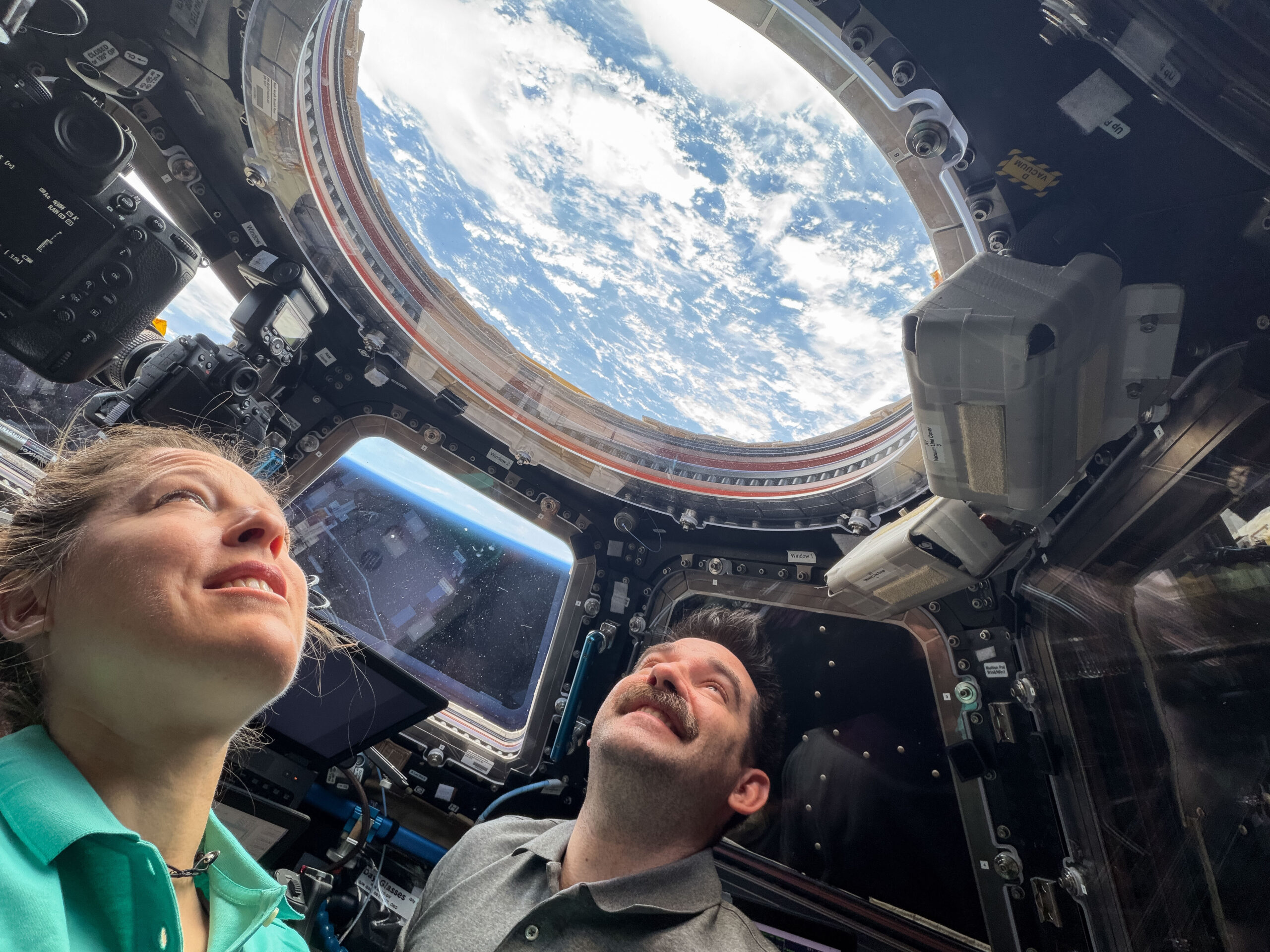
On May 17, 2026, astronauts Sophie Adenot from the European Space Agency (ESA) and Jack Hathaway from NASA were seen observing the automated docking of the SpaceX Dragon cargo spacecraft with the International Space Station (ISS). This event took place while the ISS was orbiting 259 miles above the Indian Ocean, just west of the Maldives, showcasing the ongoing collaboration between international space agencies and private aerospace companies.
Significance of the SpaceX Dragon Mission
The SpaceX Dragon spacecraft plays a crucial role in resupplying the ISS with essential supplies, equipment, and scientific experiments. This particular mission is part of NASA’s Commercial Crew Program, which aims to foster partnerships with private companies to enhance space exploration capabilities. The successful docking of Dragon not only ensures that astronauts aboard the ISS have what they need to conduct their research but also highlights advancements in automated docking technology.
The Dragon spacecraft is equipped with sophisticated systems that allow it to autonomously approach and dock with the ISS. This reduces the risk associated with manual docking procedures and enables astronauts like Adenot and Hathaway to focus on other critical tasks during their missions. The efficiency of such operations is essential for maintaining a continuous human presence in low Earth orbit.
Astronauts’ Roles During Docking Operations
During this mission, both Adenot and Hathaway served as flight engineers for Expedition 74. Their responsibilities included monitoring various systems during the docking process and ensuring that everything proceeded smoothly. The cupola—a module on the ISS featuring large windows—provided them with an optimal view of the spacecraft’s approach.
The cupola serves as a control center for many operations aboard the ISS, allowing astronauts to observe external activities while also offering a breathtaking view of Earth from space. As they watched the Dragon spacecraft maneuver into position, Adenot and Hathaway were able to assess its performance in real-time, ensuring that any anomalies could be addressed promptly.
Technological Advancements in Space Operations
The automated docking technology utilized by SpaceX represents a significant advancement in space operations. By minimizing human intervention during critical phases of a mission, such as docking, this technology enhances safety and reliability. The ability for spacecraft to autonomously dock allows for more frequent missions and increased payload capacity since crews can focus on scientific research rather than manual controls during these complex maneuvers.
Moreover, this mission underscores the importance of international cooperation in space exploration. ESA’s involvement alongside NASA exemplifies how collaborative efforts can lead to significant achievements in space science. Such partnerships are vital for addressing challenges related to long-duration missions and sustaining human life beyond Earth.
Future Implications for Human Spaceflight
The successful completion of this docking operation marks another milestone in human spaceflight history. As private companies like SpaceX continue to develop reliable transportation solutions for crewed missions, future endeavors may include more ambitious projects such as lunar exploration or even missions to Mars. The experience gained from these operations will be invaluable as humanity prepares for deeper space exploration.
Furthermore, advancements in automation will likely influence other areas of aerospace engineering and operations. As technology continues to evolve, it will pave the way for enhanced safety protocols and operational efficiencies across various sectors within aviation and beyond.
What This Means
The successful docking of the SpaceX Dragon spacecraft at the International Space Station signifies not only a triumph for current astronauts but also sets a precedent for future collaborations between governmental agencies and private enterprises in space exploration. As automated technologies become more sophisticated, they promise to streamline operations and make space travel safer and more accessible than ever before. This mission serves as a reminder of humanity’s capacity for innovation when working together toward common goals in exploring our universe.
For more information, read the original report here.