NASA Astronaut Captures Stunning Image of Frozen Hudson Bay Region
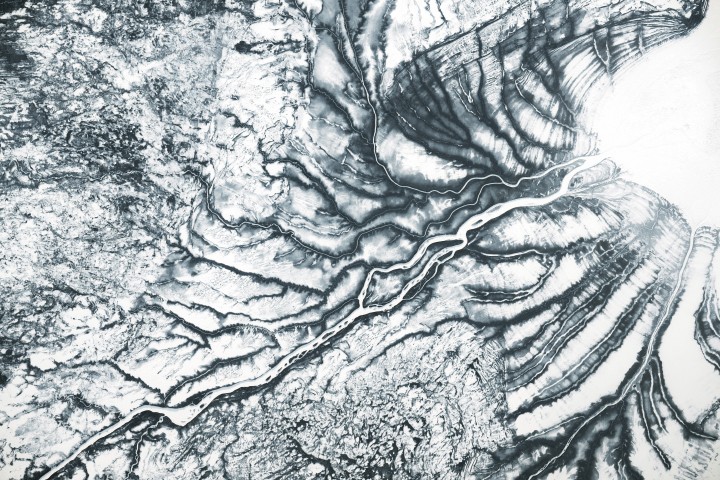
On March 26, 2026, an astronaut aboard the International Space Station (ISS) captured a remarkable photograph of the frozen channels feeding into Hannah Bay, a southern extension of James Bay in northern Canada. This image not only showcases the stark beauty of the region during early spring but also highlights significant geological processes that have shaped the landscape over thousands of years.
The Geological Backdrop: Ice Age Influences
The patterns visible in the photograph are deeply rooted in the area’s ice age history. During the Pleistocene Epoch, which lasted from about 2.6 million to 11,700 years ago, the Laurentide Ice Sheet blanketed much of present-day Canada. This massive sheet of ice exerted immense pressure on the land beneath it, causing subsidence. Since the Last Glacial Maximum approximately 20,000 years ago, this ice has retreated, leading to what is known as glacial isostatic adjustment. This process involves the land rising as it rebounds from the weight of the ice, a phenomenon that continues today around southern Hudson Bay at a rate of about 10 millimeters (0.4 inches) per year.
Features Shaped by Nature
The astronaut’s photograph reveals faint ridges along the shores of James Bay near the Harricana River’s mouth. These beach ridges were formed by tidal actions that reworked sands and silts along the shoreline. As land continues to rise and relative sea levels drop, new ridges develop closer to the water’s edge. Such geological features serve as evidence of ongoing environmental changes in this dynamic landscape.
The Harricana River and its adjacent waterways traverse boreal peat bogs—also known as muskeg—on their way to the sea. This region is notable for being home to one of the world’s largest peatland complexes, which plays a crucial role in carbon storage. The lowlands surrounding Hudson Bay retain remnants of glacial activity, including unique formations like drumlins and eskers that tell stories of past glacial movements.
Seasonal Transformations: From Winter to Spring
As spring progresses towards summer, the muted tones of winter give way to vibrant greens across the peatlands. The organic matter within these peat bogs begins to decompose, releasing tannins that darken water bodies—a phenomenon reminiscent of brewing strong tea. Typically, sea ice along James Bay starts breaking up by mid- to late-May, with complete melting usually occurring by late July.
The Role of Astronaut Photography in Earth Science
This striking image was taken using a Nikon Z9 digital camera with a focal length of 200 millimeters and has been enhanced for clarity and contrast. It was part of an initiative by NASA’s ISS Crew Earth Observations Facility aimed at capturing images that are valuable for scientific research and public interest alike. The photographs taken from space provide unique perspectives on Earth’s landscapes and contribute significantly to environmental monitoring efforts.
What This Means
The photograph serves as a reminder of both Earth’s natural beauty and its complex geological history shaped by climate change and human activity. Understanding these processes is vital for scientists studying climate dynamics and ecological changes in sensitive regions like Hudson Bay. As global temperatures rise and seasonal patterns shift, monitoring areas such as these can provide crucial insights into broader environmental trends affecting our planet.
For more information, read the original report here.