





















WordCamp Asia 2026: A Gathering of the Global WordPress Community
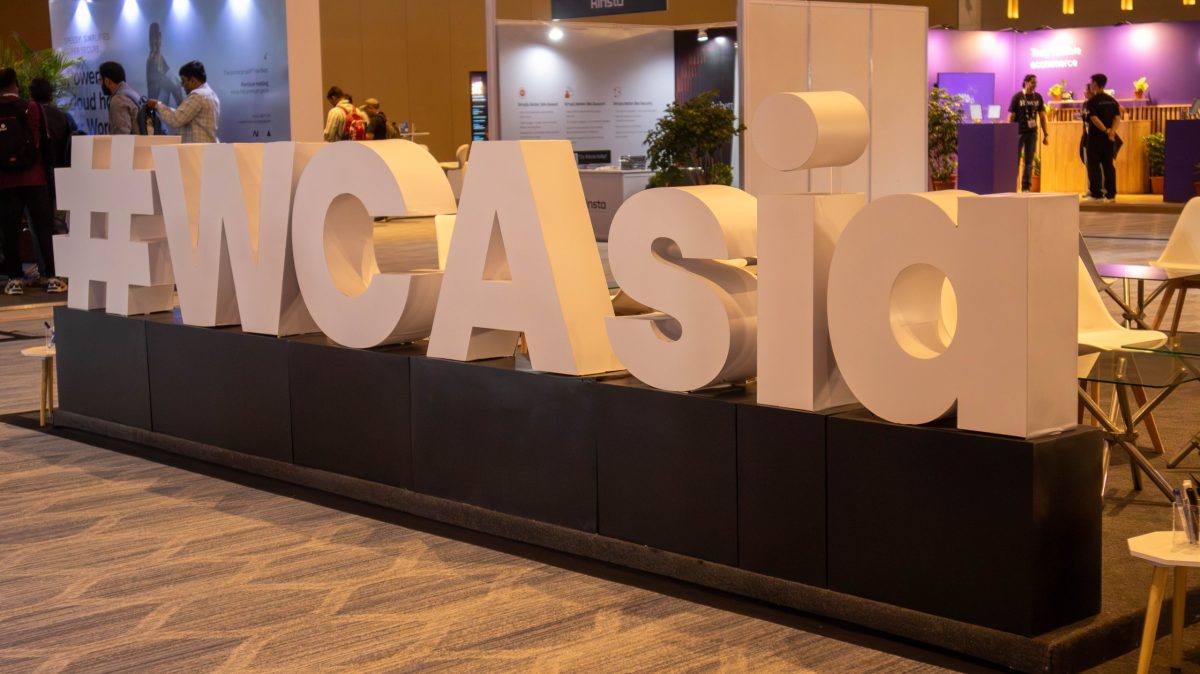
WordCamp Asia 2026 took place from April 9 to 11 in Mumbai, India, uniting over 2,281 participants from around the world. This significant event highlighted the collaborative spirit of the WordPress community, featuring contributors, organizers, sponsors, speakers, and attendees at the Jio World Convention Centre. The three-day program was designed for learning and networking, showcasing the diverse contributions that sustain the WordPress ecosystem.
Event Highlights and Structure
The event was structured around a Contributor Day followed by two full days of conference sessions. It offered a blend of technical workshops, panel discussions, and informal networking opportunities. Participants engaged in hallway conversations and shared meals, fostering connections among both first-time attendees and long-standing contributors. Mary Hubbard, Executive Director of WordPress, emphasized that WordPress is not merely a product but a collective commitment to maintaining an open web.
Throughout the event, formal programming was complemented by casual interactions. Morning networking sessions and breaks provided ample opportunities for attendees to connect personally and professionally. The atmosphere was characterized by collaboration and community spirit as participants moved between various activities.
Contributor Day: A Foundation for Collaboration
Contributor Day kicked off WordCamp Asia 2026 with a clear focus on collective progress. More than 1,500 participants engaged in hands-on work across 38 tables dedicated to various aspects of WordPress development. This day served as an entry point for newcomers while allowing seasoned contributors to reconnect with their teams.
The agenda included structured learning sessions alongside practical workshops. Notable activities included visits to the Open Source Library and YouthCamp, which aimed to engage younger participants in the WordPress community. A featured panel titled “The Making of a WordPress Release” provided valuable insights into the processes behind building and sustaining the platform.
By the end of Contributor Day, significant contributions were made across various teams: Polyglots suggested over 7,000 strings for translation; photo contributors uploaded 76 images; and testing teams addressed more than 20 tickets. These accomplishments underscored how large gatherings can translate into meaningful progress for open-source projects like WordPress.
Diverse Conference Sessions
The conference days featured an extensive range of topics tailored to different audiences within the WordPress community. Sessions were organized into tracks focusing on Foundation, Growth, and Enterprise themes. Workshops ran parallel to main presentations, ensuring a comprehensive experience for all attendees.
One standout session was led by James LePage on “WordPress and AI,” which explored how artificial intelligence is reshaping publishing workflows within the platform. This theme resonated throughout various talks on AI-driven development practices and automation strategies.
A fireside chat with Mary Hubbard and Shilpa Shah addressed critical issues surrounding trust and security in open-source publishing. This discussion highlighted the importance of stewardship as technology evolves rapidly while reinforcing that progress involves both technical advancements and community engagement.
The breadth of topics covered—from technical development to business strategies—ensured that developers, marketers, founders, and newcomers alike found relevant content during their time at the conference. The conversations held during these sessions emphasized their immediate relevance in today’s fast-changing digital landscape.
A Vision for Future Growth
The closing session featured reflections from Mary Hubbard alongside an announcement from Chenda Ngak regarding the addition of WordCamp India to the calendar in 2027 as another flagship event. Hubbard’s remarks encapsulated key themes from throughout WordCamp Asia 2026: India’s pivotal role in shaping WordPress’s future through initiatives like Campus Connect and YouthCamp.
The discussion transitioned into a panel that examined current trends affecting WordPress’s trajectory. Participants raised questions about contributor growth, plugin development, local communities’ health, and long-term sustainability within open-source environments. The consistent return to core principles—community engagement and shared responsibility—underscored how vital these elements are for ongoing growth.
Why It Matters
WordCamp Asia 2026 served as a powerful reminder of how collaboration fuels innovation within the WordPress ecosystem. The event facilitated not only knowledge sharing but also strengthened community ties among participants from diverse backgrounds. As discussions around technology continue to evolve—especially concerning AI—the importance of maintaining an open dialogue becomes increasingly crucial.
This year’s gathering sets a precedent for future events by emphasizing hands-on contributions alongside broader conversations about technology’s role in society. With upcoming events like WordCamp Europe 2026 in Kraków and WordCamp US 2026 in Phoenix on the horizon, there remains significant momentum within this vibrant community dedicated to building an inclusive web experience for everyone.
For more information, read the original report here.