
























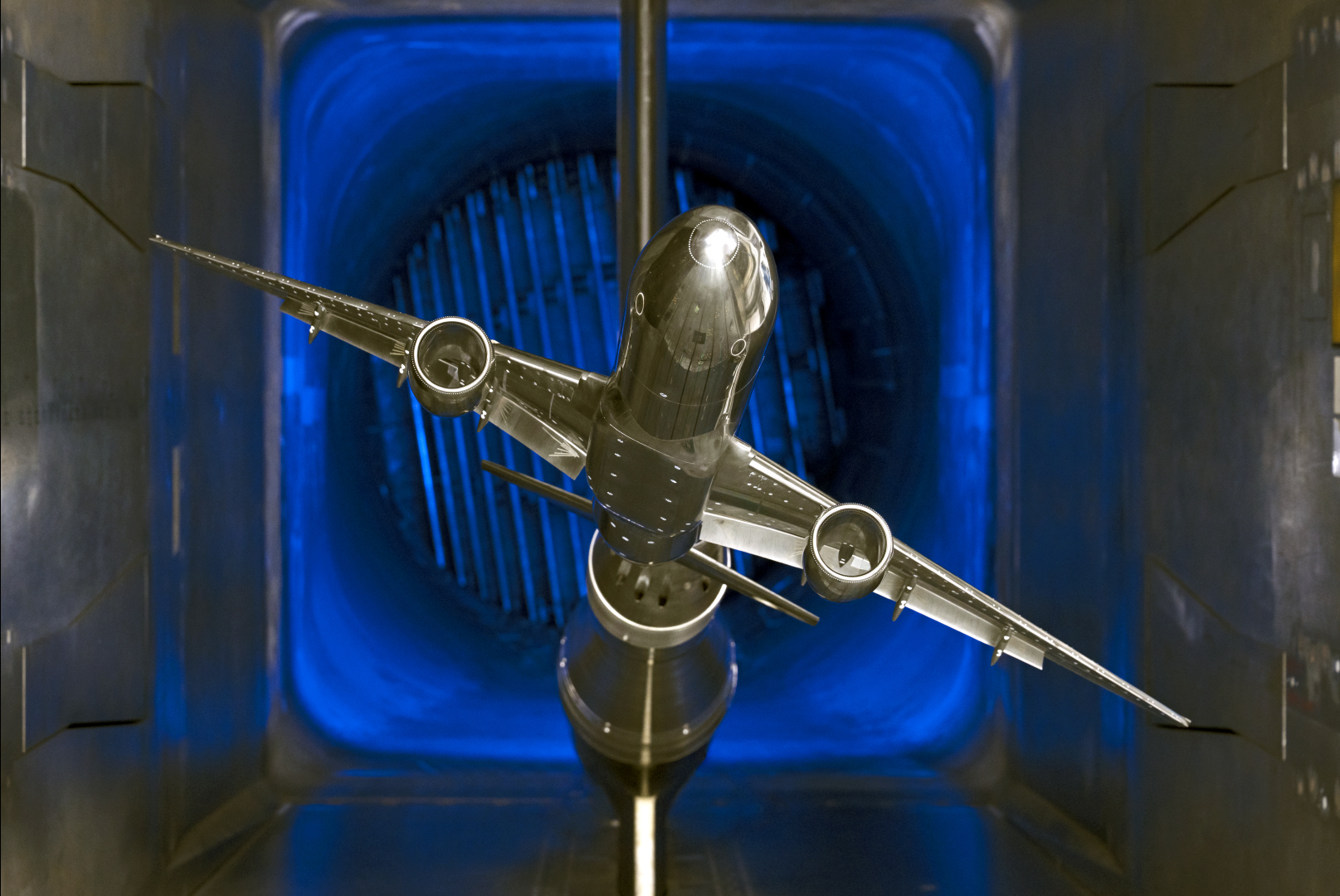
NASA is gearing up for the next moonwalk simulations, and this time, they are taking things underwater. The preparations are well underway for this exciting project that will help astronauts train for future missions to the moon.
One of the key aspects of this preparation is the Vision Studies, Analysis of Alternatives (AoA) Studies, and White Papers that NASA has been conducting. These studies provide valuable insights into various aspects of aerospace technology and help in shaping the future of space exploration.
One of the studies, the NASA Computational Fluid Dynamics Vision 2030 Study, outlines a path to revolutionary computational aerosciences. This study focuses on developing advanced computational tools to simulate and analyze fluid dynamics in aerospace applications. These tools will play a crucial role in designing future spacecraft and ensuring their safety and efficiency.
Another important study is the Requirements for Aircraft Certification By Analysis, which lays out the guidelines for certifying aircraft based on analysis rather than physical testing. This approach can help streamline the certification process and reduce the time and cost associated with traditional testing methods.
In addition to these studies, NASA has also published Vision 2040: A Roadmap for Integrated, Multiscale Modeling & Simulation of Materials & Systems. This roadmap outlines a strategy for developing advanced modeling and simulation techniques to study the behavior of materials and systems at different scales. This can help in designing more durable and efficient spacecraft for future missions.
Moreover, NASA is also working on the Autonomy Verification & Validation Roadmap and Vision 2045, which focuses on developing autonomous systems for future spacecraft. These systems will enable spacecraft to perform complex tasks without human intervention, making space missions more efficient and cost-effective.
Furthermore, NASA is conducting Combustion and Emissions Analysis of Alternatives, which includes research on subsonic transport acoustics, combustion, emissions, and aircraft icing. Understanding and mitigating these factors are crucial for designing environmentally friendly and efficient spacecraft.
Additionally, NASA is working on Computational Materials for Qualification and Certification (CM4QC) Strategy Document, which focuses on developing advanced materials and manufacturing techniques for aviation applications. This can lead to the development of lightweight and durable materials for spacecraft construction.
Moreover, NASA has published White Papers on Personnel Selection, Roles, and Training for sUAS, as well as Considerations for Airspace Integration Enabling Early Multi-Aircraft Operations. These papers provide insights into the training and operational considerations for future space missions involving unmanned aerial systems.
In conclusion, NASA’s preparations for the next moonwalk simulations are well underway, with a focus on advanced technologies and methodologies to enhance space exploration. These studies and white papers provide valuable insights into the future of aerospace technology and will play a crucial role in shaping the next generation of spacecraft for moon missions.
For more information on NASA’s latest projects and initiatives, you can visit their official website and social media channels for updates and news. Stay tuned for more exciting developments in the field of space exploration!
For more Information, Refer to this article.