WordCamp Europe 2026: A Gathering of WordPress Enthusiasts in Kraków
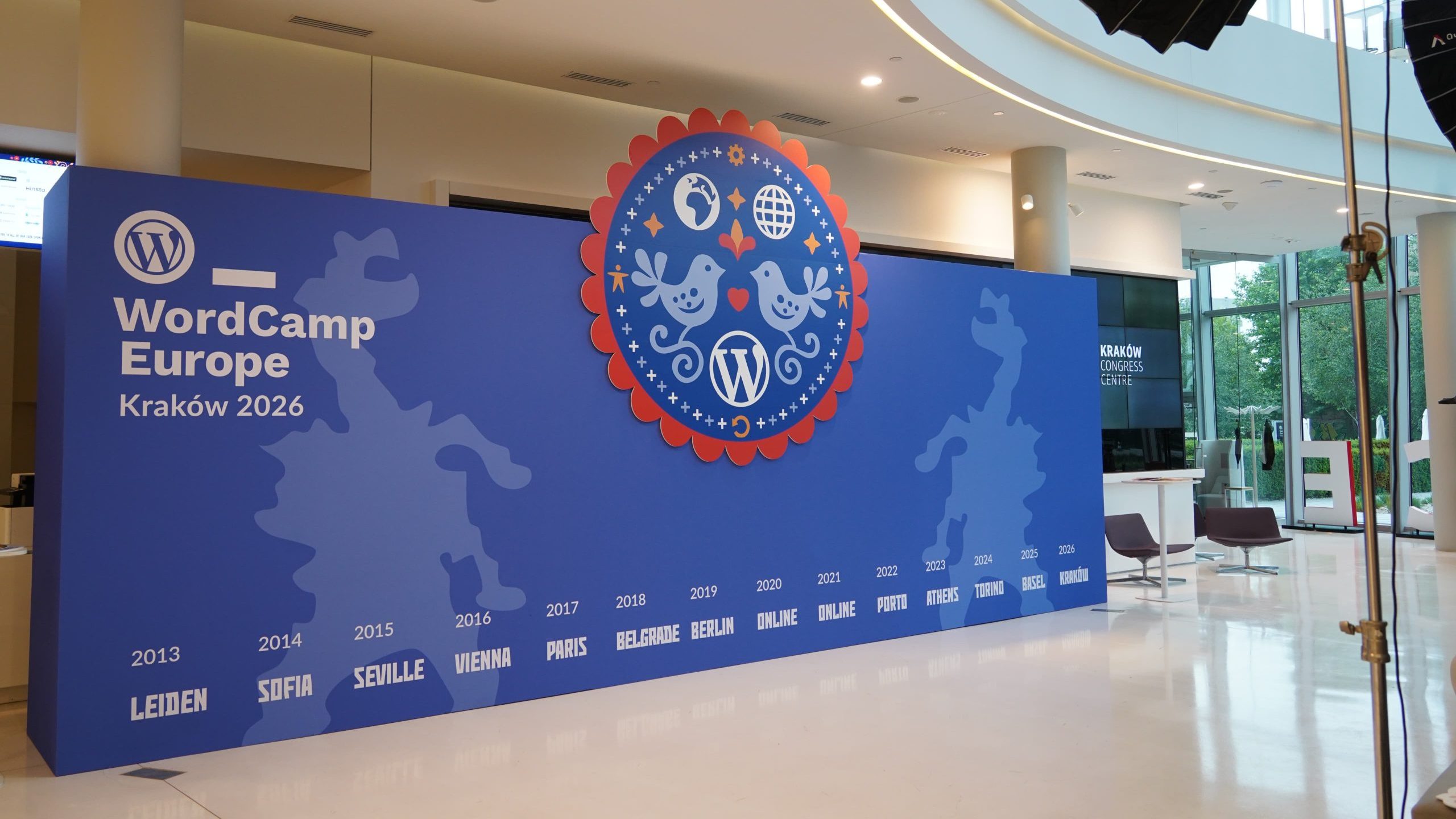
WordCamp Europe 2026 took place from June 4 to 6 at the ICE Kraków Congress Centre, attracting 2,458 attendees from 81 countries. This year’s conference marked a significant milestone, with nearly a quarter of participants attending their first WordCamp Europe. The event focused on enhancing the WordPress community through talks, workshops, and collaborative sessions aimed at improving the platform.
A Welcoming Atmosphere in Kraków
Kraków provided an inviting backdrop for the conference. Each attendee received a badge that included a transport hologram, allowing unlimited travel on local trams and buses. The historic Main Market Square, one of Europe’s largest, was just a short ride away, while local culinary delights such as pierogi and obwarzanek pretzels added to the experience.
“Kraków is beautiful, with history everywhere,” commented Sebastian Miśniakiewicz, the local team lead.
The conference schedule featured 49 talks and eight hands-on workshops across various themes such as core development, artificial intelligence (AI), business strategies, and the open web. In addition to these sessions, there were side events, an extensive sponsor area, childcare services on-site, and an after-party that lasted for eight hours.
Contributor Day Kicks Off the Event
The event commenced with Contributor Day, a dedicated session where participants collaborated to enhance WordPress rather than merely observe presentations. After registration and a welcome address, attendees split into teams to work on various projects. The day included group activities and discussions about progress made during the afternoon session.
Newcomers were supported through onboarding tables led by experienced contributors who guided them through their first contributions to WordPress. Additionally, remote participants could join via the #contributor-day channel on Make WordPress Slack, ensuring inclusivity for those unable to attend in person.
CERN’s Keynote: The Birthplace of the Web
The opening keynote was delivered by representatives from CERN (the European Organization for Nuclear Research), where the World Wide Web was invented over three decades ago. Joachim Valdemar Yde and Francisco Borges Aurindo Barros discussed why CERN chose WordPress as its content management system moving forward.
The transition to WordPress aims to provide a modern foundation for CERN’s extensive web presence built over decades. Yde explained how their self-service portal enables users to request new sites quickly while maintaining security through approved themes and plugins. In its first year of operation on this platform, CERN has successfully launched hundreds of new sites.
Yde concluded with exciting news: “As of today, our main flagship website, home.cern.ch, is now served on WordPress.” This migration highlights not only technological advancements but also reflects a commitment to accessibility and responsiveness.
WordPress 7.0: A New Era with AI Integration
Discussions about WordPress 7.0 dominated many sessions throughout the conference. Contributors emphasized that this release represents more than just routine updates; it signifies a shift in how developers can utilize WordPress for their projects.
A panel titled “Inside WordPress 7.0” featured key contributors who shared insights into the development process behind this significant release. They highlighted new features such as a native AI client and an Abilities API that allows plugins to declare their functionalities more effectively.
- Anukasha Singh discussed how the Abilities API enhances plugin permissions management.
- Vito Peleg led a workshop on integrating AI tools into workflows for site audits and structured ticket filing.
- Alain Schlesser presented strategies for optimizing websites for AI-driven traffic sources.
The conversations around AI emphasized collaboration between humans and machines in building better web experiences while retaining human creativity at the forefront of development efforts.
The Business Side of WordPress
Sessions focused on business strategies provided practical insights into running successful WordPress ventures without losing sight of community values. Debbie Levitt presented models for achieving product-market fit while Vassilena Valchanova addressed visibility challenges faced by skilled professionals in the industry.
Irfani Silviana illustrated how developers can translate technical features into business value using frameworks like the Business Model Canvas. These discussions underscored that maintaining open standards is essential for fostering innovation within the community.
- David Snead shared insights into real-time intelligence sharing among internet infrastructure providers to combat abuse effectively.
- Marcel Bootsman offered practical advice on supporting open-source initiatives sustainably.
- Karin Christen detailed her agency’s journey in implementing internal contributor days as part of their commitment to open source through initiatives like Five for the Future.
A Successful Closing Session
The closing session featured heartfelt acknowledgments from Kraków University of Technology representatives who expressed gratitude towards organizers and community members alike. Mary Hubbard announced an upcoming WordPress-specific course at the university starting in October—a significant step forward for education within Poland’s tech landscape.
In a conversation with Matías Ventura and Rich Tabor about future directions for WordPress—including AI integration—Hubbard emphasized that open-source principles must guide AI development as well: “We should be talking about it, and we should be much louder about it.”
What This Means
WordCamp Europe 2026 successfully showcased not only advancements in technology but also reinforced community bonds among WordPress enthusiasts worldwide. The event highlighted key developments such as AI integration into core functionalities while emphasizing collaboration among contributors across various skill levels. As attendees left Kraków inspired by new connections and ideas, they looked forward to future gatherings that continue building upon this vibrant ecosystem—next up being WordCamp US in August 2026 followed by another European gathering in Málaga in May 2027.
For more information, read the original report here.