























NASA’s X-59 Achieves Historic Supersonic Flight
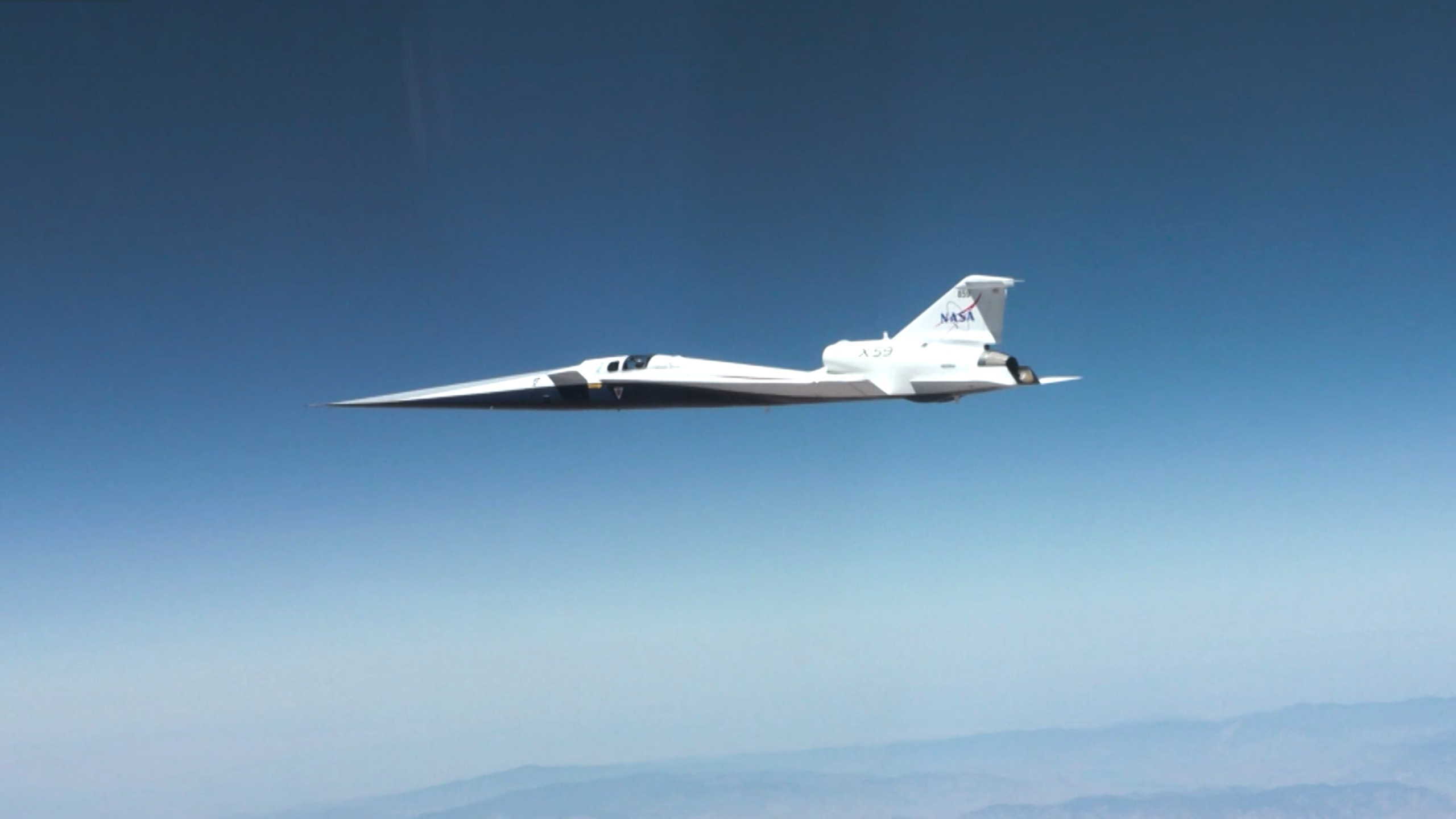
On June 5, 2026, NASA’s experimental X-59 aircraft soared past the speed of sound for the first time, marking a significant milestone in aviation history. Piloted by Jim “Clue” Less at Edwards Air Force Base in California, the aircraft reached a top speed of approximately Mach 1.1 (713 mph) during an 81-minute flight. This achievement sets the stage for future demonstrations of its quiet supersonic capabilities later this year.
The Quesst Mission: Aiming for Quiet Supersonic Travel
The X-59 is at the heart of NASA’s Quiet Supersonic Technology (Quesst) mission, which aims to develop technologies that enable commercial supersonic flight over land without the disruptive sonic booms that have historically limited such travel. Traditional supersonic flights generate loud noise, often resulting in restrictions on where and when these aircraft can operate. The Quesst mission seeks to change that narrative by demonstrating that it is possible to fly faster than sound while minimizing noise pollution.
This initiative is not just about speed; it represents a paradigm shift in how air travel could evolve. By focusing on quiet supersonic flight, NASA aims to pave the way for airlines to offer faster travel options that do not disturb communities near airports or along flight paths. The implications of successful demonstrations could lead to a new era of air travel where passengers can reach their destinations significantly quicker without the associated noise concerns.
Flight Details and Objectives
The recent test flight was crucial for assessing the X-59’s performance characteristics at both subsonic and supersonic speeds. During the flight, engineers gathered data on various aspects of the aircraft’s handling and stability, which are essential for ensuring safety and efficiency in future operations. The focus was primarily on understanding how the aircraft behaves as it transitions from slower speeds into supersonic flight.
The data collected will inform further testing and refinements needed before the aircraft can be used for its intended purpose: demonstrating its ability to fly quietly through populated areas. The ultimate goal is to gather enough evidence to support regulatory changes that would allow commercial airlines to operate supersonic flights over land, something currently restricted in many regions due to noise regulations.
Future Implications for Commercial Aviation
If successful, NASA’s Quesst mission could revolutionize commercial aviation by significantly reducing travel times across long distances. For example, a flight from New York City to London could potentially be reduced from approximately seven hours to just under three and a half hours. This reduction in travel time would not only enhance passenger convenience but also improve overall efficiency within the airline industry.
Moreover, advancements made through the X-59 program could inspire further innovations in aircraft design and technology. As manufacturers look toward developing next-generation commercial jets, lessons learned from NASA’s research may influence everything from aerodynamics to engine technology, leading to safer and more efficient air travel options.
What This Means for Travelers
The successful demonstration of quiet supersonic flight has far-reaching implications for travelers worldwide. As air travel continues to evolve with advancements in technology, passengers may soon enjoy faster journeys without compromising comfort or contributing to noise pollution. The potential return of supersonic passenger flights could reshape how people think about long-distance travel, making it more appealing and accessible than ever before.
In summary, NASA’s achievement with the X-59 marks a pivotal moment in aviation history that could lead to quieter and faster air travel options in the near future. As testing continues and data is analyzed, both travelers and industry stakeholders will be watching closely for what comes next in this exciting chapter of aerospace innovation.
For more information, read the original report here.