






















Nasa’s Earth Day Celebration Highlights Space Observations and Future Exploration
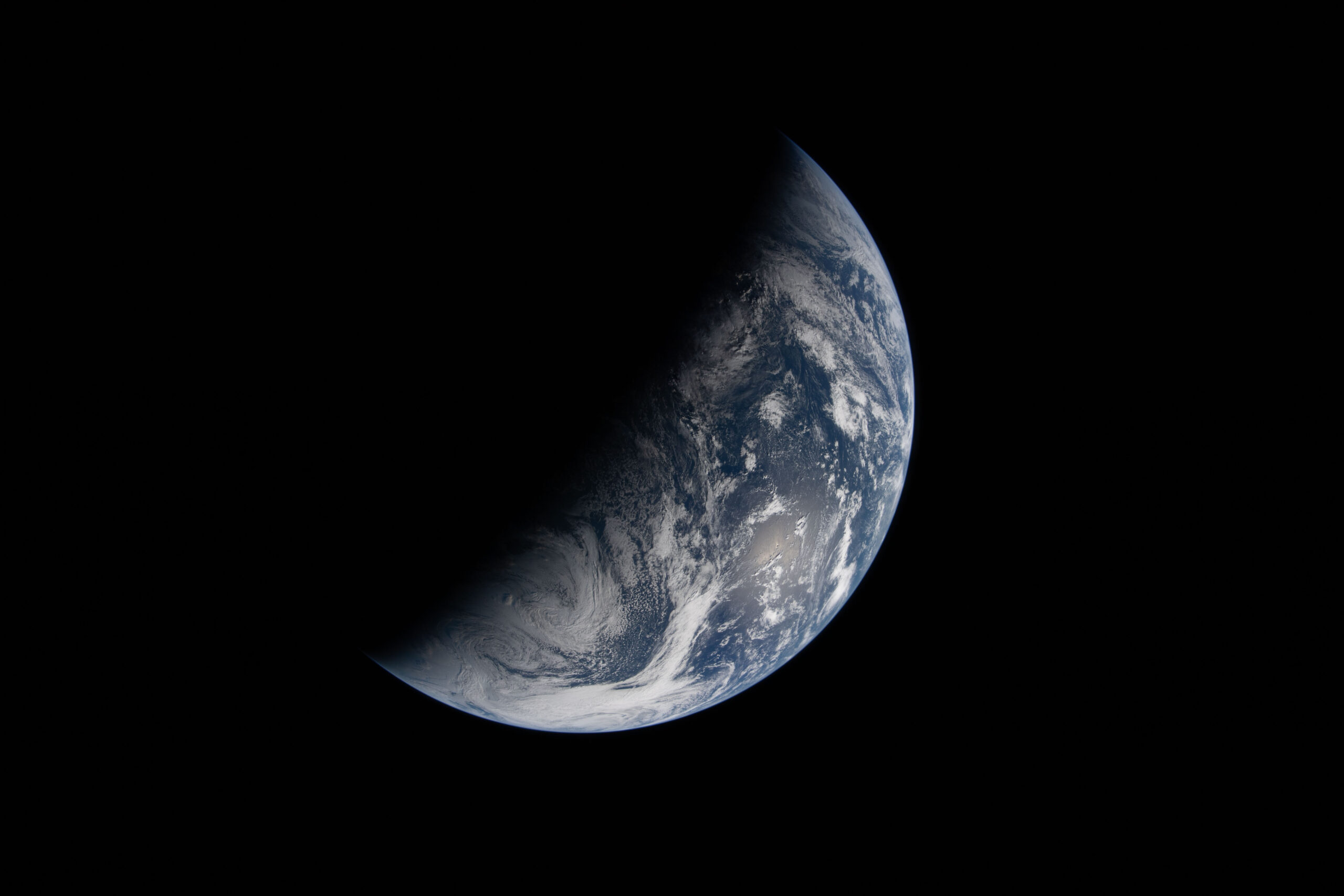
NASA has marked Earth Day 2026 with the release of a stunning image showcasing the terminator—the dividing line between night and day—captured by the Artemis II astronauts during their lunar mission. This striking visual, taken on April 2, 2026, serves as a reminder of the agency’s ongoing commitment to leveraging space technology for the benefit of life on Earth and future interplanetary exploration.
Insights from Space: The Role of NASA in Earth Monitoring
NASA’s contributions extend far beyond space exploration; they play a crucial role in monitoring Earth’s environment. The agency utilizes advanced satellite technology to gather data that informs decision-making processes across various sectors, including climate science, agriculture, and disaster management. By providing actionable insights derived from space observations, NASA equips policymakers with the necessary tools to address pressing global challenges.
The information collected from space allows scientists to track changes in Earth’s climate, monitor natural disasters, and assess environmental impacts. For instance, satellite imagery can reveal deforestation patterns, urban sprawl, and shifts in weather patterns—all critical data points for understanding how human activities affect the planet. These observations are vital for developing strategies aimed at mitigating climate change and promoting sustainable practices.
The Artemis II Mission: A Step Toward Human Exploration Beyond Earth
The Artemis II mission represents a significant milestone in NASA’s efforts to return humans to the Moon and eventually send astronauts to Mars. Scheduled for launch in late 2025, this mission will carry a crew of four astronauts around the Moon before returning them safely to Earth. The insights gained from this mission are expected to enhance our understanding of deep-space travel and pave the way for future explorations.
During their journey, the Artemis II astronauts will not only conduct scientific experiments but also capture breathtaking images of Earth from space. Such visuals serve as powerful reminders of our planet’s fragility and beauty, reinforcing the importance of environmental stewardship. The image released for Earth Day 2026 exemplifies this connection between space exploration and our responsibility toward preserving life on Earth.
Technological Innovations Supporting Space Exploration
Nasa’s advancements in technology play a pivotal role in both terrestrial applications and space missions. The agency develops various instruments designed to monitor Earth’s atmosphere, oceans, and land surfaces. These technologies are crucial for collecting data that supports climate research and environmental monitoring.
For example, NASA’s Earth Observing System (EOS) satellites provide continuous data on atmospheric conditions and surface changes. This information is invaluable for understanding weather patterns and predicting natural disasters like hurricanes or floods. Additionally, technologies developed for space missions often find applications on Earth; innovations initially created for spacecraft have led to improvements in medical imaging devices and materials science.
Earth Day Poster: Celebrating Our Planet
This year’s Earth Day poster features the captivating image captured by the Artemis II crew as part of their mission objectives. It serves as a visual celebration of our planet while highlighting NASA’s dual focus on exploring outer space and protecting Earth’s environment. The poster is available for download on NASA’s website, encouraging individuals to reflect on their role in safeguarding the planet.
What This Means
The intersection of space exploration and environmental stewardship underscores NASA’s broader mission: to improve life on Earth while preparing humanity for future challenges beyond our planet. As technological advancements continue to emerge from NASA’s research initiatives, they hold promise not only for enhancing our understanding of the universe but also for fostering sustainable practices that protect Earth’s ecosystems. The agency’s work exemplifies how investments in space science can yield significant benefits back home, ultimately contributing to a more sustainable future.
For more information, read the original report here.