

















Meta Launches America’s Workforce Academy to Address Skilled Labor Shortage
Meta has announced the launch of America’s Workforce Academy (AWA), a new initiative aimed at addressing the growing demand for skilled labor in the United States. Partnering with organizations such as the National Urban League, Associated Builders and Contractors (ABC), and CBRE, the program seeks to equip workers with essential skills in various trades, including fiber installation, plumbing, and electrical work. The announcement was made in response to a significant need for skilled technicians, highlighted by the overwhelming interest in Meta’s previous training initiative, Level-Up.
The Need for Skilled Workers
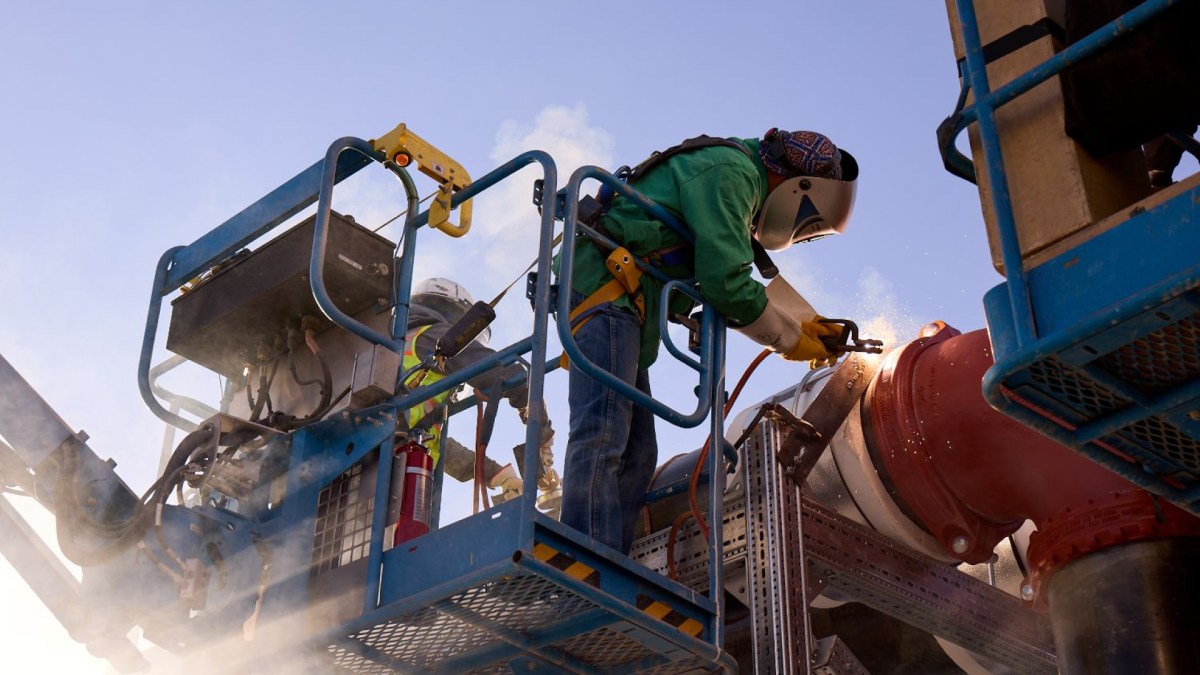
The U.S. labor market currently faces a critical shortage of skilled workers. Industries are actively seeking hundreds of thousands of fiber technicians, welders, plumbers, electricians, and other trade professionals to support infrastructure development and technological advancements. Meta views this shortage as an opportunity to empower American workers and help secure the nation’s future through skilled trades.
Dina Powell McCormick, President and Vice-Chairman of Meta, emphasized the importance of skilled labor in shaping America’s future. She stated that just as previous generations electrified rural America and contributed to wartime manufacturing efforts, today’s workforce will lay the foundations for a new era defined by artificial intelligence (AI) and advanced technologies.
Program Structure and Benefits
America’s Workforce Academy aims to provide accessible training pathways for individuals interested in skilled trades without incurring debt or financial barriers. Participants will receive paid training that leads to industry-recognized certifications and guaranteed job placements upon completion. This model is designed to attract a diverse range of candidates, particularly those from historically underrepresented communities.
Mike Rowe, CEO of the mikeroweWORKS Foundation, praised the initiative for its approach to closing America’s skills gap. He highlighted that AWA not only promotes skilled trades but also redefines how training is delivered—emphasizing practical experience over traditional educational routes that often lead to student debt.
Community Impact and Partnerships
The program’s collaborative nature is evident through its partnerships with various community organizations across the country. By engaging local chambers of commerce and workforce development agencies like STRIVE and Workforce Solutions Borderplex, AWA aims to create a robust network that supports job seekers throughout their training journey.
Marc H. Morial, President and CEO of the National Urban League, underscored AWA’s potential impact on economic equity by providing pathways to stable careers for marginalized communities. By eliminating cost barriers and guaranteeing employment opportunities post-training, AWA aims to foster a more inclusive workforce capable of meeting future demands.
Industry Support and Future Aspirations
Industry leaders have expressed strong support for America’s Workforce Academy. Michael Bellaman, ABC President and CEO, described the initiative as transformational for workers seeking careers in construction. He noted that AWA addresses ongoing workforce shortages while utilizing ABC’s established educational framework to ensure effective training delivery.
Bob Sulentic, CBRE Chair and CEO, highlighted his company’s role in managing key aspects of AWA—from candidate recruitment to hands-on training collaboration with ABC. His commitment reflects CBRE’s dedication to building a skilled workforce that can support Meta’s ambitious AI infrastructure projects.
What This Means
America’s Workforce Academy represents a significant step toward addressing the urgent need for skilled labor in various industries across the United States. By providing accessible training opportunities without financial burdens or debt concerns, this initiative aims to empower individuals while simultaneously strengthening the nation’s workforce. As industries increasingly rely on technology-driven solutions, programs like AWA are crucial for ensuring that workers are equipped with relevant skills necessary for future job markets.
For more information, read the original report here.