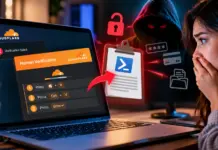

















Security researchers and users in the Apple Support Community are actively discussing a serious issue affecting Tenda routers: multiple firmware versions reportedly contain a hidden authentication backdoor that could allow unauthorized remote access to the router’s administrative interface. If your Mac, iPhone, iPad, or Apple TV connects through a Tenda router at home or in a small office, this widespread vulnerability directly impacts you — because a compromised router can expose every Apple device on the network to traffic interception, DNS hijacking, and man-in-the-middle attacks.
This guide walks through what’s happening, how to check if you’re exposed, and the practical steps to protect your Apple ecosystem while the firmware situation is resolved.
What Causes This Issue
The reported flaw involves undocumented credentials or hidden authentication logic baked into Tenda router firmware across several models and versions. Security researchers who disassembled the firmware discovered code paths that bypass the standard login process, potentially granting attackers administrator-level access to the router without knowing the user-set password.
Once an attacker controls your router, they can:
- Change DNS server settings to redirect Apple devices to phishing sites that mimic iCloud, Apple ID sign-in, or banking portals.
- Intercept unencrypted traffic between your devices and the internet.
- Push malicious firmware updates or persistently reinfect the device after reboots.
- Use your router as a pivot point to scan and attack other devices on your LAN, including HomeKit hubs, AirPlay speakers, and Apple TV units.
The problem is compounded by the fact that many affected routers are consumer-grade units that receive infrequent firmware updates, and some end-of-life models will likely never receive a patch. Users in the Apple Support Community have reported symptoms including unexpected DNS changes, sudden certificate warnings in Safari, and Apple ID sign-in prompts appearing on trusted networks — all consistent with router-level compromise.
Step-by-Step Fixes
No official patched firmware has been confirmed across all affected models at the time of writing. The most reliable protection is to reduce the router’s attack surface immediately and, where possible, replace the hardware. Follow these steps in order:
- Disconnect remote administration. Log into your Tenda router’s admin panel (typically at 192.168.0.1 or 192.168.1.1). Locate the Remote Management or WAN-side administration setting and disable it. This closes the most likely path an external attacker would use to exploit the backdoor.
- Disable UPnP. Universal Plug and Play can open ports automatically. Turn it off in the router settings. Apple’s services — iMessage, FaceTime, iCloud — do not require UPnP to function.
- Change the admin password. Even though the backdoor may bypass this, changing it blocks casual attackers. Use a long, unique passphrase stored in iCloud Keychain.
- Check for firmware updates. Visit Tenda’s official support page for your exact model number (printed on the router’s underside) and install any firmware released after the backdoor disclosure. Do not download firmware from third-party mirrors.
- Set trusted DNS servers on your Apple devices. On Mac: System Settings > Network > Wi-Fi > Details > DNS. On iPhone/iPad: Settings > Wi-Fi > tap the network > Configure DNS > Manual. Use 1.1.1.1, 9.9.9.9, or another reputable resolver. This prevents a compromised router from silently redirecting your traffic.
- Enable iCloud Private Relay (Safari only) on devices with an iCloud+ subscription. It encrypts DNS queries and web traffic, blunting the impact of router-level snooping.
- Factory reset the router and reconfigure from scratch. If you suspect the router has already been tampered with, a full reset removes any attacker-added rules or DNS overrides. Reconfigure Wi-Fi with WPA3 (or WPA2-AES if WPA3 isn’t available) and a fresh SSID.
- Replace the router if it’s end-of-life. If Tenda has not issued a patch for your model, the safest option is to switch to a router that receives current security updates — an AirPort alternative, a modern mesh system, or a router running open firmware you trust.
Additional Solutions
Beyond router hardening, layer your defenses on the Apple side:
- Turn on iCloud Private Relay and Hide My Email across your devices to limit what a compromised network can observe.
- Enable Lockdown Mode on iPhone, iPad, and Mac if you handle sensitive information. It’s an extreme measure, but it dramatically reduces attack surface for targeted threats.
- Use a reputable VPN on all Apple devices while you’re still on the Tenda hardware. This encrypts traffic before it leaves your device, so a rogue router sees only encrypted tunnels.
- Check Settings > General > VPN & Device Management on iOS for any unexpected configuration profiles. Attackers occasionally push malicious profiles via router-based redirection.
- On macOS, run Wireless Diagnostics (hold Option and click the Wi-Fi menu) to inspect the network for anomalies and generate a report.
- Segment IoT devices onto a guest network if your router supports it — HomePod, Apple TV, and HomeKit accessories should not share a subnet with sensitive Macs if avoidable.
- Monitor your Apple ID sign-in history at appleid.apple.com. Any unfamiliar device or location warrants an immediate password change and revocation of trusted devices.
When to Contact Apple Support
Apple Support cannot patch third-party router firmware, but reach out if:
- You see repeated, unexpected Apple ID sign-in prompts or two-factor verification requests that you didn’t trigger.
- Safari or Mail throw persistent certificate warnings for well-known Apple domains — a red flag for DNS or TLS interception.
- You suspect your Apple ID has been accessed. Apple Support can help review account activity, force a password reset, and walk through recovery.
- HomeKit accessories behave erratically, disconnect, or appear to accept commands you didn’t issue.
For hardware or firmware questions specific to the router itself, you’ll need to contact Tenda directly. Apple Support’s scope covers your Apple hardware, software, and account security.
FAQ
Does this affect my iPhone or Mac directly?
No — the flaw is in the router firmware, not in Apple software. But because every Apple device on your network routes traffic through the router, a compromised Tenda unit can indirectly expose your devices to attacks.
How do I know if my router is one of the affected models?
Check the model number on the router’s label and cross-reference it with Tenda’s security advisories. If your model is listed or hasn’t received a firmware update in over a year, assume it’s at risk.
Will a factory reset remove the backdoor?
No. The backdoor is in the firmware itself, so a reset only clears configuration data. Only a patched firmware release — or replacing the router — removes the underlying vulnerability.
Is iCloud Private Relay enough protection on its own?
It helps for Safari traffic, but it doesn’t cover every app or system service. Combine it with manual DNS settings and, ideally, a trusted router.
Can I keep using the Tenda router if I’m careful?
You can, provided you disable remote administration, set custom DNS on every device, and monitor closely. However, replacing an unpatched router remains the definitive fix.
Does this affect HomeKit or Matter devices?
Yes — any device that touches the compromised network is at risk of traffic interception. Segmenting them onto a guest SSID reduces exposure until the router is replaced or patched.